Piece-Rate Rest Break Pay Rules Every California Worker Should Know
Key Takeaways: In California, piece-rate pay compensates workers for completing tasks or producing items rather than for hours worked, and rest break pay must be calculated separately at the higher of an average hourly rate or applicable minimum wage. Under Labor Code section 226.2, added by AB 1513 effective January 1, 2016, rest breaks and nonproductive time are distinct wage categories that cannot be absorbed into piece-rate earnings. The average hourly rate divides total workweek pay (excluding rest/recovery pay and overtime premiums) by total hours worked (excluding rest/recovery periods). Nonproductive time must be paid at minimum wage or higher, and wage statements must itemize hours, rates, and gross wages for both categories.
If you are paid by the piece in California, your employer must pay you separately for rest breaks, that pay cannot be buried inside your piece-rate earnings. Rest break pay for piece-rate workers is calculated at the higher of an average hourly rate or applicable minimum wage, owed on top of what you earn producing items or completing tasks.
If you suspect your rest breaks were folded into your piece-rate pay, MSD Lawyers can help you understand your options. Call 213-401-0823 or request a review through our consultation page to discuss your situation.
💡 Pro Tip: Keep copies of your pay stubs and records showing how many pieces you completed each week. These documents are often the strongest evidence when reviewing rest break pay calculations.
What Piece-Rate Pay Means Under California Law
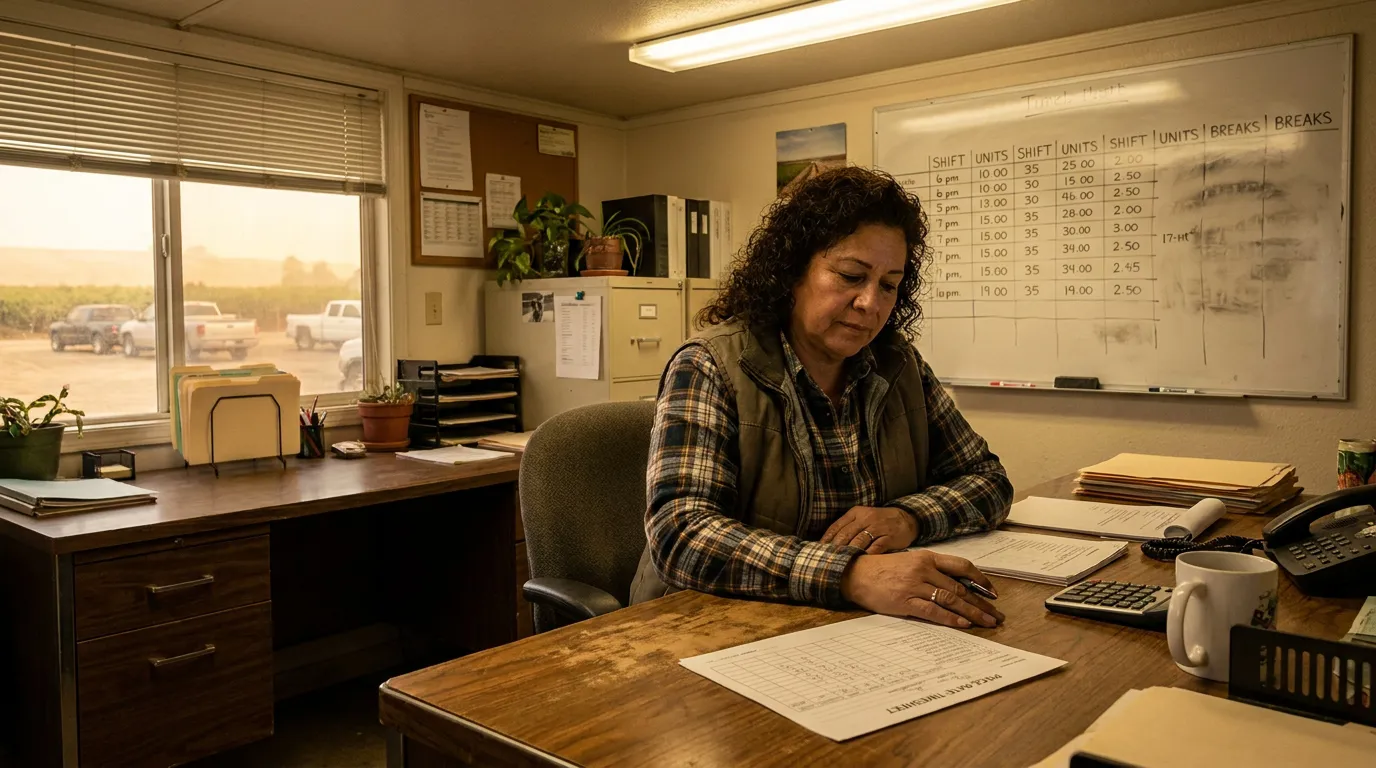
Piece-rate pay is compensation tied to finishing a task or producing an item rather than to hours spent on the clock. According to the California Division of Labor Standards Enforcement, piece-rate compensation is based on paying a set sum for completing a particular task or making a particular item. Because earnings depend on output, any time that produces no output, like a mandated rest break, needs its own compensation rule.
California does not allow employers to average your total pay across all hours to satisfy minimum wage. The state rejects the federal averaging approach, meaning each hour must be compensated on its own terms pursuant to California Labor Code § 226.2 (official source: leginfo.legislature.ca.gov). A mechanic paid $300 for eight hours of piece-rate work averages $37.50 per hour, but this arrangement violates California law if two of those hours were nonproductive or rest time and never separately paid.
The applicable minimum wage is the highest of the federal, state, or local rate that applies to your job pursuant to California Labor Code § 1182.12 (official source: leginfo.legislature.ca.gov). In Los Angeles, the city and county minimum wage generally exceeds the statewide rate, so the local figure often controls rest break and nonproductive-time pay.
How Labor Code 226.2 Piece Rate Rules Reshaped Rest Break Pay
The current framework comes from AB 1513, which took effect January 1, 2016, and added Labor Code section 226.2 to govern how piece-rate workers are paid for rest and recovery periods and other nonproductive time. Before this law, many employers treated piece-rate earnings as covering everything, including breaks. The California Department of Industrial Relations explains that AB 1513 established pay requirements for mandated rest breaks, recovery periods, and other nonproductive time, along with related pay stub requirements.
Nonexempt employees are generally entitled to at least ten paid minutes of rest for every four hours worked, or major fraction thereof. Labor Code 226.2 added a clear command that this rest time be paid separately and never treated as already included in piece-rate wages.
💡 Pro Tip: If your pay stub shows only piece-rate earnings with no separate line for rest and recovery periods, that omission may signal a compliance problem.
The Rest Break Formula: Calculating the Average Hourly Rate
California requires piece-rate workers to be paid for rest and recovery periods at the higher of an average hourly rate or applicable minimum wage. The law compares two numbers and pays you the larger one. Your piece-rate earnings cannot substitute for this separate rest period compensation.
The average hourly rate uses a specific formula rooted in the statute. You take your total compensation for the workweek, exclude compensation for rest and recovery periods and any overtime premium, and divide by total hours worked excluding rest and recovery periods. The result is your average productive rate, and rest breaks are paid at that rate unless minimum wage is higher. This logic mirrors the average rate concept found in California Labor Code § 246(l) (official source: leginfo.legislature.ca.gov), which allows pay to be calculated by dividing total wages, not including overtime premium pay, by total hours worked.
Here is a simplified comparison of the two figures the law weighs for rest break pay:
| Basis for Rest Break Pay | How It Is Determined |
|---|---|
| Average hourly rate | Total workweek pay (minus rest/recovery pay and overtime premium) divided by hours worked (minus rest/recovery time) |
| Applicable minimum wage | Highest of federal, state, or local minimum wage for your job |
Whichever figure is higher sets your rest period compensation. Because Los Angeles minimum wage rates are often elevated, the minimum wage comparison can meaningfully affect the outcome for local workers.
Nonproductive Time Is Its Own Category
Nonproductive time is work time under your employer’s control that does not directly generate piece-rate earnings, and it must be paid at no less than applicable minimum wage. Think of a garment worker waiting for materials or a driver completing paperwork between deliveries. That time counts, and it cannot be swallowed by the piece rate.
The law treats rest and recovery pay and nonproductive time as recoverable wages, which is central to enforcement. California Labor Code section 90.6(b)(9) lists compensation for rest and recovery periods and nonproductive time for piece-rate employees under section 226.2 as a category of wages subject to enforcement and applicable statutes of limitation (official source: leginfo.legislature.ca.gov). This confirms that rest break time is a standalone category, not something that can be absorbed into piece-rate wages.
Some workers discover that pay they thought was a commission is actually piece rate. When incentive pay fails to qualify as a true commission under California law, it can be treated as piece-rate compensation, triggering section 226.2 requirements. You can read more about that distinction in this analysis of commission versus piece-rate pay.
What Your Wage Statement Must Show
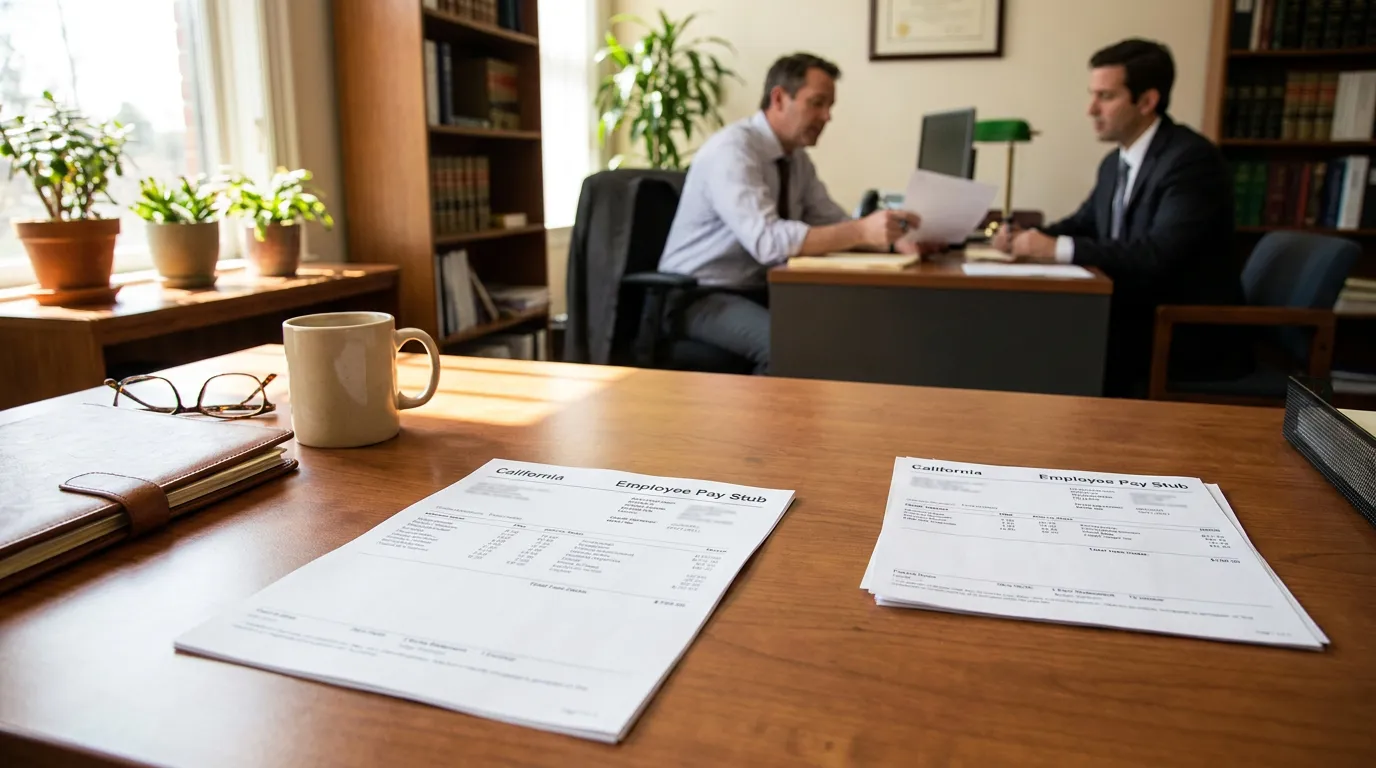
Your wage statement is one of the clearest places to spot a piece-rate pay problem. For piece-rate employees, the pay stub must itemize rest and recovery period hours, the rate of compensation for those periods, and the gross wages paid for them. The same three items are required for nonproductive time: total hours, applicable rate, and gross wages.
Official resources can help you verify what a compliant stub looks like. The Department of Industrial Relations provides supporting materials, including an AB 1513 fact sheet, FAQs, the bill text, and a sample piece-rate pay stub. Practical guidance is also collected in these tips for piece-rate pay, which outline the separate-pay obligations.
💡 Pro Tip: Compare several consecutive pay stubs side by side. A missing rest-and-recovery line can reveal inconsistent payroll practices.
Enforcing Unpaid Rest Break and Nonproductive-Time Wages
Because these amounts are treated as wages, employees who are underpaid can pursue claims, and the Labor Commissioner can assess amounts owed. For a piece-rate worker in Los Angeles, unpaid rest break compensation is legally enforceable in much the same way as unpaid minimum or overtime wages.
Deadlines matter and should be handled carefully. Under California Labor Code § 90.6 (official source: leginfo.legislature.ca.gov), a written notice of a Labor Commissioner field enforcement investigation may toll the applicable statute of limitations for up to twelve months for listed wage categories, including section 226.2 rest and nonproductive-time compensation. Courts interpret tolling exceptions narrowly, so you should not assume any extension applies automatically.
If you want to estimate what you may be owed, this guide on how to calculate your unpaid wages walks through the process. Reviewing your numbers early can help you preserve records before deadlines become an issue.
💡 Pro Tip: Write down the dates and approximate times of rest breaks you took, especially if your employer did not record them. Contemporaneous notes can strengthen a wage claim.
Frequently Asked Questions
1. Can my employer include rest break pay inside my piece rate?
Generally, no. California law requires piece-rate workers to be compensated separately for rest and recovery periods at the higher of an average hourly rate or applicable minimum wage. Piece-rate earnings cannot be treated as already covering rest breaks.
2. How is the average hourly rate for rest breaks calculated?
The formula divides your total workweek compensation, excluding rest and recovery pay and overtime premiums, by total hours worked excluding rest and recovery periods. You are paid for rest periods at that average, or at minimum wage if minimum wage is higher.
3. Does the higher Los Angeles minimum wage affect my rest break pay?
Yes. The applicable minimum wage is the highest of the federal, state, or local rate. Los Angeles rates often exceed the state figure, and when that local minimum wage is higher than your average hourly rate, it sets your rest period compensation.
4. What if my incentive pay is called a commission?
If incentive pay does not meet California’s criteria for a commission, it may be deemed piece-rate compensation subject to Labor Code 226.2 requirements, triggering the separate rest break and nonproductive-time pay rules.
5. How long do I have to bring a claim?
Deadlines vary by the type of wage and the procedural path you choose. A Labor Commissioner field enforcement investigation may toll the limitations period for up to twelve months in certain circumstances, but courts apply these exceptions narrowly, so timing should be confirmed for your situation.
Protecting Your Piece-Rate Wages Going Forward
California’s piece-rate framework is built on a simple premise: rest breaks and nonproductive time are separate categories of pay that cannot be absorbed into your piece rate. The rest break formula compares an average hourly rate against applicable minimum wage and pays you the higher amount, while nonproductive time must reach at least minimum wage. Wage statements must itemize these figures, and unpaid amounts are enforceable wages under California Labor Code § 226.2.
If your pay stubs do not reflect separate rest break and nonproductive-time pay, our team of trusted labor code 226.2 piece rate lawyer advocates at MSD Lawyers is ready to review your records and explain your rights. Call 213-401-0823 or reach us through our consultation page to take the next step toward recovering what you may be owed.