The Troubling Reality Behind LA’s Massive Investment in Addiction Treatment
Despite LA County scaling up investments in harm reduction services by over 500%, families continue to lose loved ones in detox facilities across Los Angeles. In 2023, reported drug-related overdose and poisoning deaths reached 3,092 – a slight decrease from the previous year’s 3,220 deaths, marking the first plateau in a decade. Yet for families who’ve experienced the devastating loss of someone seeking help, these statistics offer little comfort. When someone enters a detox facility to fight addiction and rebuild their life, the last thing their family expects is a call informing them of a preventable death.
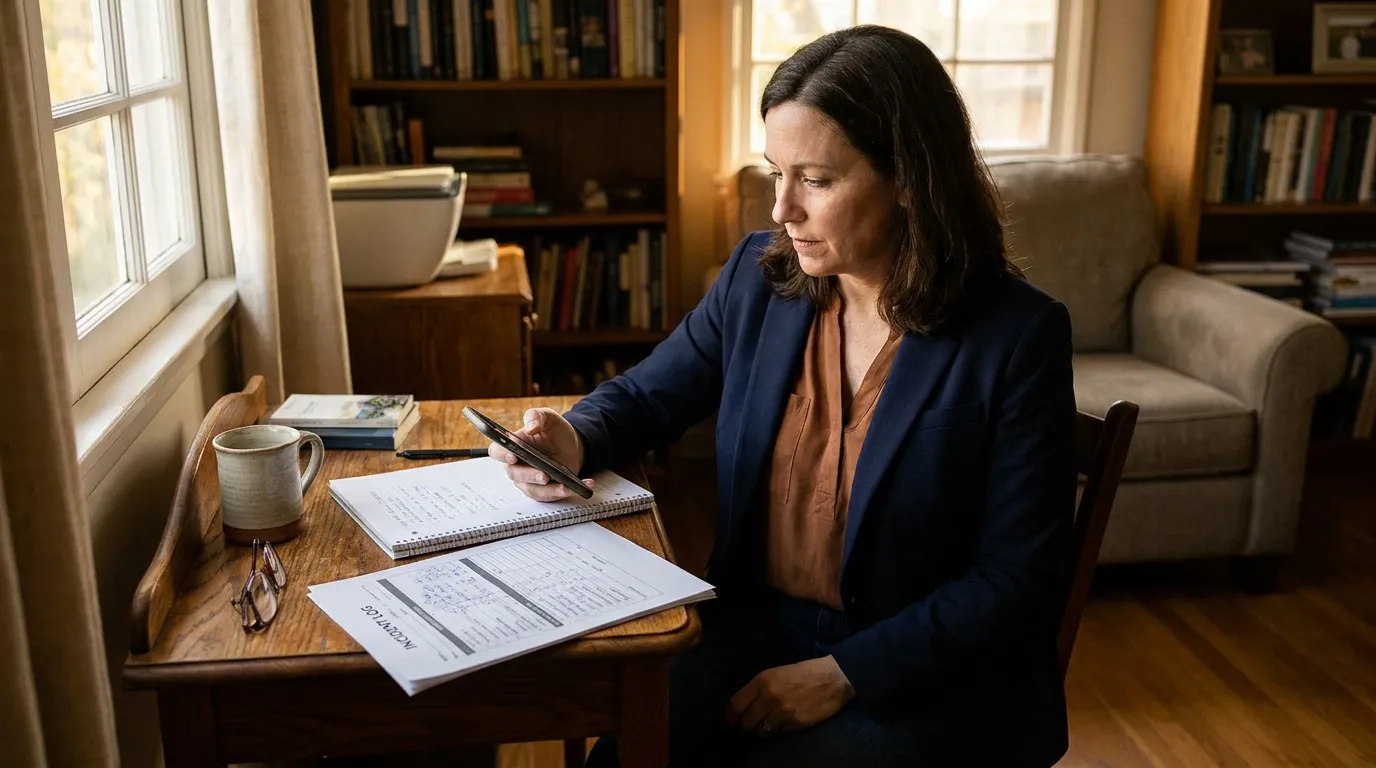
💡 Pro Tip: If you’ve lost a loved one in a detox facility, document everything immediately – admission paperwork, medication lists, staff interactions, and any concerns you raised. This information becomes crucial evidence if negligence played a role.
If you’re grappling with the heartbreak of losing a loved one in a detox facility, let MSD Lawyers be your guiding light. Reach out today at 213-401-0823 or contact us to explore your rights and pursue justice for your family. We’re here to help you find the answers and accountability you deserve.

Understanding Your Rights When Detox Facilities Fail to Protect
When overmedication or negligence leads to a resident’s death in a detox facility, California law provides clear pathways for justice. Families may pursue wrongful death claims to seek compensation for burial expenses and the loss of companionship or support under California Code of Civil Procedure §§ 377.60 and 377.61 (official source: leginfo.legislature.ca.gov). In situations involving extreme recklessness or intentional wrongdoing, punitive damages may be imposed against the facility under California Civil Code § 3294 (leginfo.legislature.ca.gov). The Department of Health Care Services (DHCS) has sole authority to license facilities providing residential nonmedical services for adults recovering from alcohol or drug abuse, creating a regulatory framework that should protect vulnerable patients. While DHCS may provide voluntary AOD certification to certain facilities licensed by other state departments (such as youth facilities licensed by the Department of Social Services), adult residential AOD treatment facilities must obtain licensing from DHCS regardless of any other state licenses they hold under Health & Safety Code §§ 11834.01–11834.03 (leginfo.legislature.ca.gov). A detox clinic death lawyer in Los Angeles can help families understand how licensing violations or failure to meet care standards may strengthen their case.
The complexity of these cases often involves multiple layers of responsibility. When extreme or willful misconduct is involved in overmedication cases resulting in death, criminal investigations may proceed alongside civil claims. A doctor or other person who administers lethal medication could face criminal charges, adding another dimension to the legal landscape families must understand. Working with a detox clinic death lawyer in Los Angeles ensures families pursue all available avenues for accountability while managing the emotional burden of their loss.
💡 Pro Tip: California law requires detox facilities to maintain specific licenses and certifications. If a facility lacks proper DHCS licensing or ASAM Level of Care Certification, this regulatory violation could significantly strengthen your wrongful death claim.
What to Expect: The Legal Process After a Detox Facility Death
Understanding the timeline and process following a detox facility death helps families make informed decisions during an incredibly difficult time. The journey toward justice involves several critical stages, each with specific deadlines and requirements that can impact your case’s success. According to the California State Auditor’s 2023 report, Health Care Services promptly assigned most high-priority complaints to analysts within 10 days, while compliance inspections experienced median delays of 207 days beyond the prescribed two-year licensure period required under Health & Safety Code § 11834.09 (leginfo.legislature.ca.gov); the report does not provide specific completion timelines for high-priority death investigations.
-
Immediate Investigation Phase (0-30 days): Request autopsy reports, secure medical records, and document all facility communications before evidence disappears
-
Regulatory Review Period (1-3 months): DHCS investigations into facility violations often reveal systemic problems – median delays of 207 days for renewal inspections suggest oversight gaps
-
Medical Expert Analysis (2-4 months): Given that fentanyl and methamphetamine are almost equally deadly contributors to overdose deaths in LA County, toxicology review becomes crucial
-
Civil Claim Development (3-6 months): Building a comprehensive case requires analyzing whether the facility met required standards for detoxification, individual sessions, and medical oversight
-
Settlement Negotiations or Trial Preparation (6-24 months): Most cases resolve through settlement, but preparation for trial ensures maximum leverage for fair compensation
💡 Pro Tip: California’s statute of limitations for wrongful death claims is generally two years from the date of death under California Code of Civil Procedure § 335.1 (official source: leginfo.legislature.ca.gov). However, discovery of hidden negligence or fraudulent concealment may extend this deadline – don’t assume it’s too late without consulting an attorney.
Finding Justice: How MSD Lawyers Fight for Families After Detox Deaths
The path to resolution after losing someone in a detox facility requires both legal acumen and deep compassion. MSD Lawyers understands that behind every case is a family seeking answers and accountability. With extensive experience handling detox facility death cases throughout Los Angeles, the firm recognizes patterns of negligence that less experienced attorneys might miss. Whether pursuing compensation through wrongful death claims or pushing for criminal accountability in cases of extreme misconduct, having a detox clinic death lawyer in Los Angeles who knows both the regulatory landscape and the human cost makes all the difference.
Resolution often involves multiple approaches. While civil claims address financial losses and hold facilities accountable through monetary damages, regulatory complaints to DHCS can prevent future tragedies. MSD Lawyers coordinates these efforts, ensuring families receive comprehensive representation that honors their loved one’s memory while creating meaningful change. The firm’s track record includes securing significant settlements that reflect both the value of lives lost and the need for systemic reform in addiction treatment facilities.
💡 Pro Tip: Many families don’t realize that detox facility deaths may involve both insurance claims and direct liability against facility owners. An experienced attorney can identify all potential sources of compensation to maximize recovery.
The Hidden Factors Behind Detox Deaths Despite Increased Funding
LA County’s 275% increase in treatment funding and 500% boost in harm reduction services represent substantial progress, yet deaths continue for complex reasons. The rise of polysubstance use creates unprecedented challenges – methamphetamine-related deaths involving opioids more than tripled from 2012 to 2021, jumping from 16% to 54%. This shift reflects fentanyl’s penetration into the stimulant supply, meaning patients entering detox often face multiple withdrawal syndromes requiring sophisticated medical management that many facilities lack.
Regulatory Gaps and Oversight Failures
Despite DHCS’s sole authority over licensing, significant oversight gaps persist. Although DHCS is the state agency with sole authority to license adult residential AOD treatment facilities under Health & Safety Code § 11834.02 (leginfo.legislature.ca.gov), DHCS may provide voluntary certification to certain programs licensed by other state departments (such as youth facilities licensed by the Department of Social Services) under Health & Safety Code § 11834.03, creating complex oversight arrangements. According to the California State Auditor’s 2023 report, Health Care Services promptly assigned most high-priority complaints to analysts within 10 days, while compliance inspections had median delays of 207 days beyond the prescribed two-year licensure period – delays that can prove fatal when facilities operate without proper oversight. Understanding these systemic failures helps families working with a detox clinic death lawyer in Los Angeles identify institutional negligence beyond individual staff errors.
💡 Pro Tip: Check if your loved one’s facility held all required licenses at the time of death. Mixed-license arrangements or gaps between certification and licensure may affect regulatory oversight and strengthen negligence claims.
Recognizing High-Risk Situations in Detox Facilities
Certain populations face disproportionate risks in detox settings, and understanding these vulnerabilities helps families evaluate whether appropriate precautions were taken. Adults aged 26-64 represent the highest overdose and poisoning death rates in LA County, yet many facilities use one-size-fits-all protocols. The percentage of people experiencing homelessness among methamphetamine-related deaths tripled from 13% in 2012 to 35% in 2021, indicating that patients with unstable housing may enter detox with complex medical needs requiring specialized attention.
Racial Disparities and Systemic Failures
Black populations are disproportionately represented in overdose deaths, with the percentage of Black decedents increasing from 3% to 17% over recent years. In 2023, fentanyl-related overdose numbers among Latinx populations rose above White populations for the first time. These disparities suggest systemic issues in how different communities access quality detox services and receive appropriate medical monitoring. A Los Angeles detox clinic death attorney can investigate whether racial bias or inadequate cultural competency contributed to substandard care, as facilities receiving public funding must provide equitable treatment regardless of patient background.
💡 Pro Tip: Document any instances where staff made assumptions about pain tolerance, addiction severity, or treatment needs based on race or socioeconomic status – these biases can constitute negligence.
Frequently Asked Questions
Common Legal Concerns After Detox Facility Deaths
Families grappling with unexpected loss often have similar questions about their rights and options. Understanding the legal landscape helps you make informed decisions during an overwhelming time.
💡 Pro Tip: Write down all your questions before meeting with an attorney. Grief can make it hard to remember everything you wanted to ask, and a comprehensive list ensures you get the answers you need.
Next Steps and Legal Process
Taking action after a detox facility death requires balancing urgency with careful preparation. While evidence preservation is time-sensitive, rushing into legal action without proper representation can compromise your case.
💡 Pro Tip: Many attorneys offer free consultations for wrongful death cases. Use these meetings to evaluate both legal strategy and personal rapport – you’ll work closely with this person during a difficult journey.
1. How can a detox clinic death lawyer in Los Angeles prove the facility was negligent?
Proving negligence involves demonstrating the facility breached its duty of care through actions like improper medication administration, inadequate monitoring, or failure to respond to medical emergencies. Evidence may include medical records, surveillance footage, staff testimony, and expert analysis comparing the facility’s actions to accepted standards of care. Regulatory violations, such as operating without proper DHCS licensing or failing to maintain required staffing levels, strengthen negligence claims.
2. What compensation can families receive through a Los Angeles detox clinic death lawsuit?
Wrongful death claims may recover economic damages like medical bills, funeral expenses, and lost financial support, as well as non-economic damages for loss of companionship, guidance, and emotional support. In cases involving extreme recklessness or intentional misconduct, punitive damages may be awarded to punish the facility and deter similar behavior. The specific compensation depends on factors including the deceased’s age, earning capacity, and family relationships.
3. Can criminal charges be filed alongside a civil detox facility malpractice attorney CA case?
Yes, criminal and civil cases can proceed simultaneously. When extreme or willful misconduct leads to death, prosecutors may file criminal charges against individuals who administered lethal medication or facility operators who created dangerous conditions. Criminal convictions can strengthen civil cases by establishing misconduct, though civil cases can succeed even without criminal charges. Your attorney can coordinate with prosecutors while pursuing independent civil remedies.
4. How long do families have to file a wrongful death claim for detox center negligence in California?
California law generally provides two years from the date of death to file a wrongful death claim. However, exceptions may apply if negligence was concealed or discovered later. Some claims against government-operated facilities have shorter deadlines – as brief as six months for initial notices. Given these complex timelines and the need to preserve evidence, families should consult an attorney promptly to protect their rights.
5. What makes detox facilities particularly vulnerable to wrongful death claims?
Detox facilities serve extremely vulnerable populations experiencing potentially life-threatening withdrawal symptoms. The combination of polysubstance use – particularly the rise in methamphetamine deaths involving opioids – creates complex medical situations requiring careful monitoring. With approximately 500 small facilities in California serving six or fewer residents, many lack resources for proper medical oversight. State law mandates specific services including detoxification protocols and medical monitoring, creating clear standards that, when violated, support liability claims.
Work with a Trusted Detox Clinic Deaths Lawyer
Losing someone who entered treatment seeking help and hope devastates families in ways that statistics cannot capture. While LA County’s increased investment in addiction services represents progress, the continued occurrence of preventable deaths in detox facilities demands accountability. Families deserve answers about why their loved ones died while under professional care, and they deserve compensation for losses that no amount of money can truly address. By working with experienced legal counsel, families can pursue justice while contributing to systemic changes that protect future patients. The analysis of whether a particular injury or death was caused by substance abuse versus facility negligence requires fact-specific investigation by attorneys who understand both addiction medicine and California’s regulatory framework. MSD Lawyers stands ready to guide families through this challenging process with the compassion, dedication, and legal excellence their cases deserve.
If you’ve faced the unimaginable loss of a loved one in a detox facility, take the first step towards justice with MSD Lawyers. Dial 213-401-0823 or contact us today to uncover your legal rights and pursue accountability. Together, we can seek the answers you desperately need.