Los Angeles Meal and Rest Break Premium Pay: What Workers Need to Know
Key Takeaways: Los Angeles non-exempt employees can recover up to two hours of premium pay in a single workday when both a meal period and a rest period are denied. Under California Labor Code § 512, most eight-hour shifts require a 30-minute meal period, while Wage Orders require a ten-minute rest period for each four hours worked. Section 226.7 entitles workers to one additional hour of pay for each type of break not provided, capped at one hour per day per break type. Because courts treat this premium as a wage, workers generally have three years to sue, or up to four years under the Unfair Competition Law, with limited tolling during a Labor Commissioner investigation. California Labor Code § 432.6 protects employees from being forced to waive their right to sue, though federal court rulings limit this protection where arbitration agreements are involved.
Yes, a Los Angeles employee can often recover up to two hours of premium pay in a single workday when both a meal break and a rest break are denied. California law treats missed breaks seriously, and a standard eight-hour shift generally triggers both entitlements. When an employer fails to provide both on the same day, that worker may be owed one hour of premium pay for the missed meal period and a separate hour for the missed rest period.
If you believe your break rights have been violated, MSD Lawyers is ready to review your situation. Call 213-401-0823 or schedule a consultation to discuss your potential claim with the team at MSD Lawyers.
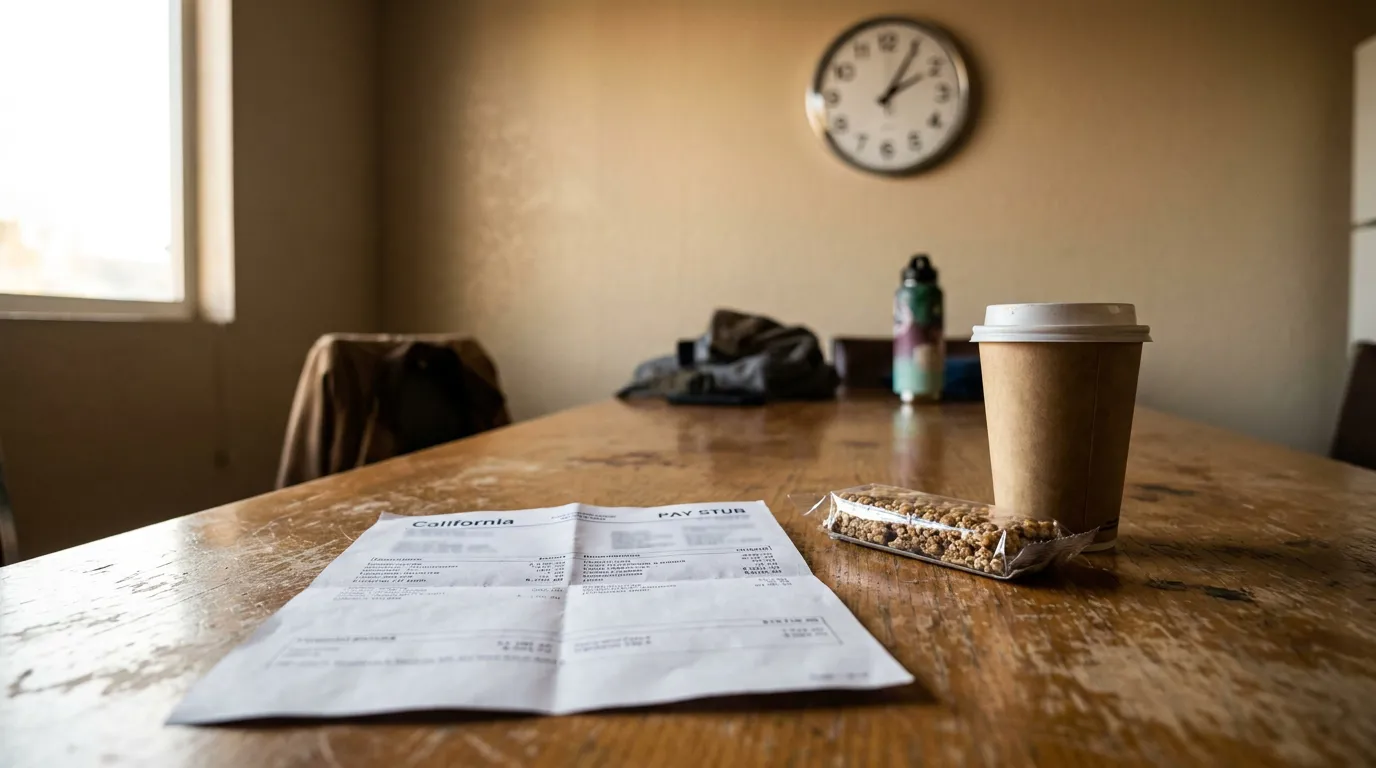
What California Law Requires for Meal and Rest Breaks
California sets clear baseline standards for when non-exempt employees must receive breaks. Under California Labor Code § 512, an employer generally may not require more than five hours of work without providing a 30-minute unpaid meal period, and a second meal period is required for shifts exceeding ten hours (official source: leginfo.legislature.ca.gov). A first meal period may be waived by mutual consent only when the total shift is no more than six hours. Certain industries, such as construction, security, and utility workers covered by qualifying collective bargaining agreements, are subject to different rules.
Rest periods follow a separate rule rooted in the Industrial Welfare Commission Wage Orders. The Division of Labor Standards Enforcement requires a net ten consecutive minutes for each four hour work period, or major fraction thereof, and the DLSE considers anything more than two hours a "major fraction" of four. You can review the state’s official rest period rules for further context. Rest periods are not required for employees whose total daily work time is less than three and one-half hours, and the rest period is counted as time worked.
💡 Pro Tip: Keep a personal log of your daily start times, end times, and any breaks you were actually able to take. Contemporaneous notes carry significant weight if a dispute arises.
Can I Sue My Employer for Not Giving Me Breaks?
You generally can pursue a claim, and the remedy is built directly into the statute. Under California Labor Code § 226.7, if an employer fails to provide a required meal or rest period, the employer must pay one additional hour of pay at the employee’s regular rate of compensation for each workday the period is not provided (official source: leginfo.legislature.ca.gov).
This premium is a wage, not merely a penalty, which affects how long you have to recover it. The California Supreme Court in Murphy v. Kenneth Cole Productions, Inc. (2007) held that § 226.7 premium pay is subject to the three-year limitations period for wages, and Naranjo v. Spectrum (2022) confirmed these premiums are treated as wages for purposes of wage statement and final pay obligations. Workers may generally look back three years when filing a civil suit, or up to four years under California’s Unfair Competition Law. A deeper academic discussion appears in this wage law analysis.
Why Two Hours Per Day Is Possible
The two-hour maximum comes from the fact that meal and rest premiums arise from two distinct sections of the Wage Orders. As summarized in California employer guidance, the controlling appellate decision, United Parcel Service v. Superior Court of Los Angeles County, held that an employee may recover two hours of premium pay because there are two separate remedies in two separate sections of the Wage Orders.
There is an important limit workers should understand. The rest-break premium is capped at one additional hour per workday no matter how many rest breaks were missed. The DLSE explains that if an employer does not provide all required rest periods in a workday, the employee is entitled to one additional hour of pay for that workday, not one hour for each missed rest period. The same one-hour-per-day cap applies to meal periods.
| Break Type | Governing Authority | Maximum Premium Per Day |
|---|---|---|
| Missed meal period | Labor Code § 226.7 and § 512 | One hour of regular pay |
| Missed rest period | Labor Code § 226.7 and Wage Orders | One hour of regular pay |
| Both missed same day | Both sections combined | Two hours of regular pay |
💡 Pro Tip: One hour of "regular rate" pay is not always your base hourly wage. Under Ferra v. Loews Hollywood Hotel (2021), it can include nondiscretionary bonuses and other compensation.
How Long You Have to File and When Deadlines May Pause
Timing matters, and California recognizes several distinct deadlines. For a civil lawsuit seeking § 226.7 premiums as wages, a three-year limitations period generally applies under California Code of Civil Procedure § 338 (official source: leginfo.legislature.ca.gov), while claims under the Unfair Competition Law, California Business and Professions Code § 17200 (official source: leginfo.legislature.ca.gov), may reach back four years.
Under limited circumstances, the deadline may be paused during an active government investigation. When the Labor Commissioner’s field enforcement unit opens an investigation and issues written notice to an employer, California Labor Code § 90.6 provides that the limitations period for meal, rest, and recovery period claims under § 226.7 may be tolled for up to 12 months (official source: leginfo.legislature.ca.gov). Courts interpret tolling provisions narrowly, so this pause is not automatic and depends on whether statutory conditions are met. Act promptly rather than rely on a possible extension.
💡 Pro Tip: Do not wait until you think a deadline is near. Preserving pay stubs, schedules, and timekeeping records early gives your claim its best footing.
Protecting Yourself From Waivers and Retaliation
California limits an employer’s ability to force workers to give up their right to sue. Under the state’s no-waiver protections, California Labor Code § 432.6 prohibits requiring an applicant or employee, as a condition of employment, to waive the right to file and pursue a civil action for Labor Code violations (official source: leginfo.legislature.ca.gov). This protection has significant limits: federal courts have held that the Federal Arbitration Act preempts § 432.6 as applied to arbitration agreements, so an employer may still lawfully enforce an arbitration agreement covered by the FAA.
The same law offers protection if an employer punishes you for asserting your rights. Section 432.6 also prohibits retaliation against employees who refuse to waive their civil action rights, and a court may award a prevailing plaintiff reasonable attorney’s fees. If you suspect you have been denied breaks, you may find it helpful to understand your options and denied breaks at work before deciding how to proceed.
Common situations that may support a break premium pay claim in Los Angeles include:
- Working through a required 30-minute meal period without genuine relief from duties
- Being interrupted or called back during a paid ten-minute rest period
- Short-staffing that regularly prevents any break from being taken
- A workplace policy that discourages or ignores required breaks
Practical Considerations Before Bringing a Claim
Every break premium pay case depends on the specific facts and records involved. Whether an employer truly failed to "provide" a break, rather than an employee voluntarily skipping one, is often the central disputed question. This distinction matters for caregivers, healthcare workers, fast-food staff, and other non-exempt workers whose schedules are tightly controlled.
Building a strong record early gives you the clearest path forward. These claims frequently proceed as individual actions or, when a pattern affects many workers, as class claims. A wage and hour attorney Los Angeles can evaluate your timekeeping records, pay statements, and workplace policies to assess whether a viable claim exists under California break law in 2026.
Frequently Asked Questions
-
Can I really recover two hours of premium pay for one day?
Yes, if both a meal period and a rest period were not provided on the same workday. The meal and rest premiums come from separate sections of the Wage Orders, so they may be recovered separately, subject to the one-hour-per-type daily cap.
-
Is the missed break premium considered a penalty or a wage?
California courts treat § 226.7 premium pay as a wage. This classification allows recovery through a wage claim or civil lawsuit and affects the applicable limitations period.
-
How long do I have to bring a missed break pay claim?
Civil suits for these wages generally allow a three-year look-back, and up to four years under the Unfair Competition Law. A Labor Commissioner investigation may pause the deadline for up to 12 months under limited circumstances, but this is not automatic.
-
Can my employer make me waive my right to sue over breaks?
Generally, no, though there is an important exception for arbitration. California Labor Code § 432.6 prohibits requiring employees to waive their right to pursue a civil action for Labor Code violations, but federal courts have held the Federal Arbitration Act preempts that prohibition where an arbitration agreement applies.
-
What if my employer retaliates against me?
Retaliation for refusing to waive civil action rights is prohibited under § 432.6. Courts may also award reasonable attorney’s fees to a prevailing plaintiff.
Moving Forward With Confidence
Los Angeles non-exempt workers who are denied meal and rest breaks have meaningful protections under California law, including the potential to recover two hours of premium pay per day. The rules under Labor Code § 226.7, § 512, § 90.6, and § 432.6 support workers, though each claim depends on the specific facts and evidence. Understanding the daily caps, the wage classification of premiums, and the limited nature of tolling helps you make informed decisions.
If you suspect your break rights have been violated, the team at MSD Lawyers is ready to help you understand your options. Call 213-401-0823 or request a consultation to take the next step toward recovering the wages you may be owed.