Understanding California Labor Code 221 and Your Rights Against Illegal Paycheck Deductions
Key Takeaways: California Labor Code 221 makes it illegal for employers to take back wages already paid, meaning your earned compensation is generally yours to keep. Employers may lawfully deduct from your pay in only three narrow circumstances: when required by law, when you provide written authorization for items like insurance premiums, or when authorized under a wage or collective bargaining agreement. Even signed authorization does not automatically legalize a deduction, and California courts have repeatedly rejected improper offsets, balloon repayments, and attempts to shift business losses such as cash shortages, breakage, or equipment loss onto workers. Common violations include taking gratuities, charging for required uniforms, and failing to reimburse necessary business expenses under Section 2802. If wages were illegally deducted, you can seek recovery through the Labor Commissioner’s Office or a civil lawsuit, though deadlines apply. Preserving pay stubs, written authorizations, and related records is key to supporting any claim.
Labor Code 221 is the California statute that makes it illegal for your employer to take back wages it has already paid you. Once you earn and receive your pay, your employer generally cannot claw it back through a later deduction, offset, or repayment scheme. This provision sits at the heart of most illegal paycheck deduction claims in California, and understanding it can help you recognize when money that belongs to you has been improperly withheld. Employers may not collect or receive any part of wages previously paid pursuant to California Labor Code § 221 (official source: leginfo.legislature.ca.gov).
If you suspect money has been improperly taken from your check, MSD Lawyers can help you evaluate your options. Call 213-401-0823 or request a confidential consultation to discuss your situation.
What Labor Code 221 Actually Prohibits
The default rule under California wage law is simple: wages you have already earned and been paid are yours to keep. Labor Code 221 bars employers from taking back wages already paid to an employee, which is why it functions as the core prohibition behind most illegal paycheck deduction claims across the state. This protection applies broadly to hourly workers, non-exempt salaried employees, and many others regardless of the reason an employer offers. The rule reflects California’s strong policy against wage theft and protecting earned compensation.
This prohibition works with several related statutes. California Labor Code § 224 governs the narrow situations where deductions are permitted, and secondary guidance helps illustrate how these provisions operate in practice, as explained in this overview of lesser-known California labor code requirements. Because outcomes depend on specific facts, the reason behind a deduction often matters as much as the deduction itself.
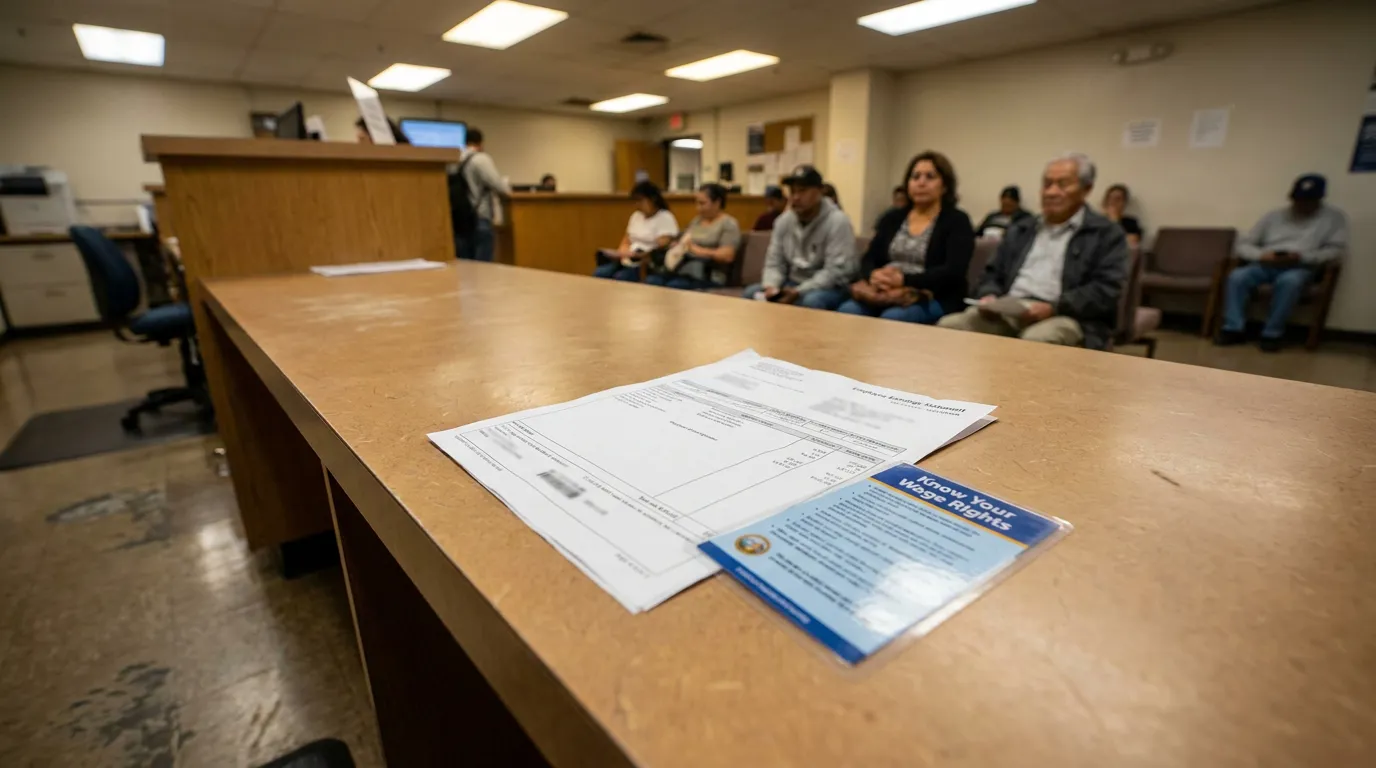
💡 Pro Tip: Save every pay stub, offer letter, and written authorization you signed. These documents frequently determine whether a deduction was lawful, and they are far easier to gather while you are still employed.
When Employers Can Legally Deduct From Your Pay
California employers may withhold from your wages in only three narrow circumstances. The Labor Commissioner’s Office has made clear that lawful deductions are the exception rather than the norm. You can review the state’s explanation of permitted and prohibited deductions on its wages, deductions, and tips resource page. The three recognized categories exist under California Labor Code §§ 221 and 224 (official source: leginfo.legislature.ca.gov).
The Three Lawful Deduction Categories
These narrow exceptions are the only widely recognized circumstances in which an employer may reduce your pay. An employer generally carries the burden of showing the deduction fits within one of them.
| Lawful Deduction | What It Covers |
|---|---|
| Required by law | Deductions required or empowered by state or federal law, such as taxes or court-ordered items |
| Written authorization | Amounts you expressly authorize in writing for items like insurance premiums or benefit plans, so long as the deduction is not a rebate of wages |
| Wage or bargaining agreement | Health, welfare, or pension contributions authorized by a wage or collective bargaining agreement |
Garnishments and Other Special Cases
Wage garnishment is a lawful deduction, but it carries its own protections. While garnishment is permitted under California Labor Code § 224, an employer may not fire you because your wages were garnished, or because garnishment was threatened, for a single judgment pursuant to California Labor Code § 2929(b) (official source: leginfo.legislature.ca.gov). Tips and gratuities are handled under separate rules.
Deductions California Does Not Allow
Even written authorization does not give employers unlimited power to reduce your pay. Employers may not deduct from wages or require employees to pay for pre-employment medical exams, or exams required by law. Deductions for cash shortages, breakage, or loss of equipment are restricted by IWC Wage Orders and case law, meaning employers generally cannot shift ordinary business losses onto workers, a principle rooted in Kerr’s Catering v. Department of Industrial Relations (1962) 57 Cal.2d 319. A narrow exception may apply only where the employer can prove the shortage, breakage, or loss resulted from the employee’s dishonesty, willfulness, or gross negligence.
💡 Pro Tip: Signing a document that authorizes a deduction does not automatically make that deduction legal. California courts have repeatedly invalidated deductions even when an employee signed a written agreement.
Labor Code 221 Unlawful Deductions: Common Employer Violations
Many labor code 221 unlawful deductions follow predictable patterns. State guidance identifies several common payroll deductions that are frequently unlawful under California wage law. The following practices are among the most commonly challenged:
- Taking employee gratuities in violation of California Labor Code § 351 (official source: leginfo.legislature.ca.gov)
- Charging employees for required photographs or bonds under California Labor Code § 401 (official source: leginfo.legislature.ca.gov)
- Requiring employees to pay for required uniforms under California Labor Code § 2802 and IWC Order Section 9
- Failing to reimburse necessary business expenses under California Labor Code § 2802 (official source: leginfo.legislature.ca.gov)
Illegal paycheck deductions often overlap with other pay problems. If you are determining whether money is missing from your pay, it helps to first understand what counts as unpaid wages under current California law. A single paycheck can raise more than one type of claim.
💡 Pro Tip: If your employer requires a specific uniform or tools to do your job, keep receipts. Reimbursement disputes under Section 2802 often turn on whether an expense was a necessary condition of employment.
What Courts Have Said About Employer Offsets
California courts have sharply limited an employer’s ability to offset debts against your wages. A balloon repayment of an employee debt taken at separation has been found unlawful even where the employee authorized it in writing, as addressed in Barnhill v. Sanders (1981) 125 Cal.App.3d 1. Deducting from current payroll to recover a past erroneous salary advance was rejected in California State Employees’ Association v. State of California (1988) 198 Cal.App.3d 374.
Commission-based pay has received similar protection. Deducting from an employee’s pay for unidentified returns on commission sales was found unlawful in Hudgins v. Neiman Marcus Group (1995) 34 Cal.App.4th 1109. The through-line is consistent: employers generally cannot use your paycheck as a collection tool for disputed or business-related losses. Whether a given deduction crosses the line depends on the details.
How to Recover Illegally Deducted Wages
If you believe wages were illegally deducted, California gives you more than one path toward recovery. You may pursue relief through the state’s wage claim process administered by the Labor Commissioner’s Office or file a civil lawsuit in court. This administrative process is described in the agency’s public deductions FAQ. Choosing the right path depends on your facts, the amount at issue, and applicable deadlines.
Related paycheck problems often travel alongside unlawful deduction claims. California also maintains language services so that non-English-speaking workers in the Los Angeles area and statewide can reach the Labor Commissioner’s Office directly with interpreter support by calling 833-526-4636. If your situation is complex, working with a labor code 221 unlawful deductions lawyer can help you understand which remedies fit your circumstances.
💡 Pro Tip: Deadlines differ depending on whether you file an administrative wage claim or a civil lawsuit. Do not assume a missed date can be excused; confirm the applicable deadline early.
Frequently Asked Questions
1. Does Labor Code 221 apply if I signed a form agreeing to the deduction?
Not necessarily. California courts have held that written authorization does not automatically legalize a deduction, particularly balloon repayments taken at separation. Whether your signature matters depends on the type of deduction and the surrounding facts.
2. Can my employer deduct for a cash register shortage or broken equipment?
Generally, no. Deductions for cash shortages, breakage, or equipment loss are restricted by IWC Wage Orders and case law. Employers usually cannot shift ordinary business losses onto employees. Narrow exceptions may exist where an employer proves dishonesty, willfulness, or gross negligence.
3. Is my employer allowed to make me pay for a required uniform?
Typically not. Requiring employees to pay for required uniforms is a common unlawful deduction under California Labor Code § 2802 and IWC Order Section 9. Reimbursement often turns on whether the item was a necessary condition of your job.
4. Can I be fired because my wages were garnished?
No, not for a single judgment. While garnishment itself is lawful, an employer may not terminate you because your wages were garnished, or threatened with garnishment, for one judgment under California Labor Code § 2929(b).
5. What should I do first if I notice an unfamiliar deduction?
Preserve your records. Keep your pay stubs, any written authorizations, and communications about the deduction. These documents frequently determine whether a deduction was lawful and help support any claim you pursue.
Protecting Your Right to Full Pay in California
Labor Code 221 exists to keep your earned wages where they belong. The default rule is that already-paid wages cannot be clawed back, and the exceptions permitting deductions are narrow and closely scrutinized by both the Labor Commissioner and California courts. From unlawful uniform charges to improper offsets against commissions, illegal paycheck deductions take many forms. Understanding your rights early puts you in the strongest position to respond.
If you think your employer has taken money it was not entitled to keep, MSD Lawyers is ready to review your situation and explain your options under California wage law. Call 213-401-0823 or schedule your consultation today to protect your right to recover wages that belong to you.