Documenting Sexual Harassment by a Service Provider in California
Key Takeaways: California Civil Code § 51.9 allows victims to hold service providers, doctors, therapists, landlords, and contractors, accountable for sexual harassment outside the workplace. These cases hinge on credibility, making documentation essential. Start a private, dated log of each incident capturing date, time, location, and details. Preserve corroborating evidence: texts, emails, receipts, and photos. Collect witness contact information and store everything securely. Administrative complaints with the California Civil Rights Department must generally be filed within one to three years depending on claim type, while sexual misconduct claims against licensees follow a three-year-from-discovery or ten-year-from-the-act window. You can typically sue without filing an agency complaint first outside employment contexts. Begin the intake process before gathering every record. Because outcomes are fact-specific and timing rules are interpreted narrowly, prompt documentation and early legal guidance offer the best protection.
Sexual harassment does not only happen in the workplace. California law recognizes that people can be harassed by the professionals and businesses they rely on, and it gives victims a path to accountability. Documenting what happened carefully is often the difference between a claim that moves forward and one that stalls. This guide walks through practical, statute-grounded steps to record and preserve proof after mistreatment by a service provider.
California Civil Code § 51.9 creates liability for sexual harassment in defined business, service, and professional relationships outside traditional employment (official source: leginfo.legislature.ca.gov). That framework can reach doctors, therapists, landlords, contractors, and other providers who abuse a position of trust. Because these cases turn heavily on credibility, strong documentation matters from the first incident.
💡 Pro Tip: Start a private, dated record the moment something feels wrong, even before deciding whether to take legal action. Contemporaneous notes carry more weight than summaries written months later.
If you believe you have been harassed by a professional or business, MSD Lawyers can help you understand your options and protect your rights. Call 213-401-0823 or reach out through the firm’s consultation page to discuss your situation confidentially.
Why Documentation Matters in a Civil Code 51.9 Sexual Harassment Claim
Careful documentation is the backbone of any civil code 51.9 sexual harassment claim. These cases frequently come down to one person’s account against another, so organized, specific, and dated evidence helps establish what occurred and when. Strong records make it harder for a provider to dismiss your experience as a misunderstanding.
Evidence also affects whether an administrative agency will accept your complaint. The California Civil Rights Department reviews facts at intake and investigates independently using evidence from complainants, respondents, and witnesses. Well-documented allegations give reviewers something concrete to evaluate, supporting both a civil lawsuit and any parallel agency process.
It is important to separate the two tracks. An administrative complaint with a state agency is not the same as a civil lawsuit, and one does not automatically become the other. Understanding this distinction early helps you choose the path that fits your goals, and thorough harassment documentation supports either route.
Steps to Build Your Evidence Record
Building a usable evidence record starts with organization, not volume. The California Civil Rights Department instructs people to gather specific facts about each incident, the name and contact information of the responsible party, supporting documents, and witness details. That list doubles as a practical evidence checklist for harassment by a service provider.
Capture the Facts of Each Incident
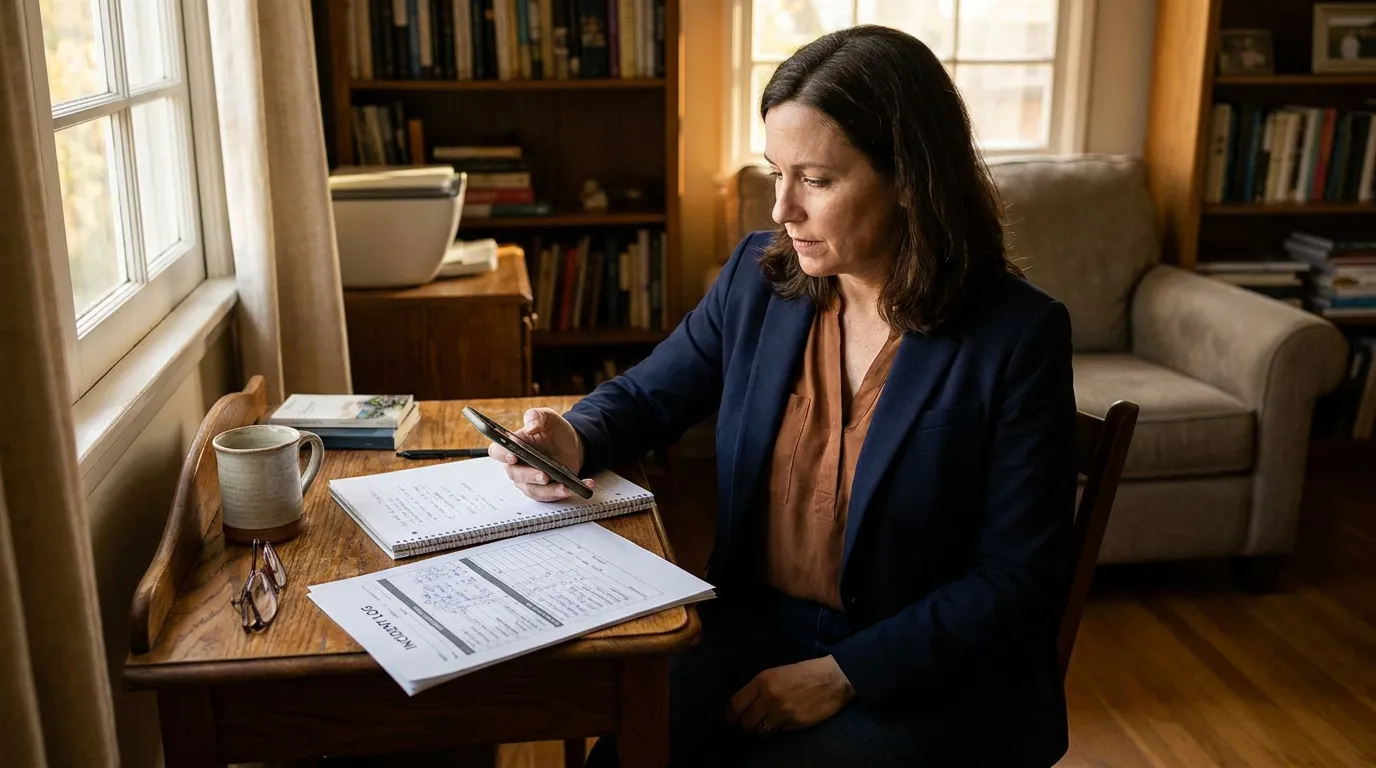
Write down what happened while it is fresh. For every incident, record the date, time, location, what was said or done, and how you responded. Note any power dynamic involved, such as a provider using access to your medical care, housing, or a contract as leverage. Consistent, detailed entries are one of the most reliable california harassment evidence steps you can take.
Preserve Physical and Digital Evidence
Save everything that corroborates your account. Screenshots, text messages, emails, voicemails, appointment records, receipts, and photographs can all support a claim. Back up digital files in more than one place so nothing is lost if a device fails.
- Copies of any documents or other evidence related to the incident
- The full name and contact information of the person or business you believe caused harm
- The names and contact information of any witnesses, if known
- A dated log describing each incident in your own words
Identify Witnesses
Witnesses can independently confirm details you cannot prove alone. Note anyone who saw the conduct, heard about it soon after, or noticed changes in your behavior. Collect current contact information while relationships are intact, because people move and memories fade.
💡 Pro Tip: Keep your evidence in a location the provider cannot access, such as a personal cloud account or a trusted friend’s device, rather than a shared or work account.
Deadlines That Shape Your Documentation Timeline
Deadlines are one of the strongest reasons to document harassment promptly. Under California Government Code § 12960 (official source: leginfo.legislature.ca.gov), individuals alleging employment discrimination or harassment must generally file an administrative complaint within three years of the discriminatory act, extended from one year by legislation effective January 1, 2020, though timelines vary by case type. Because these windows can close, dated records help establish when the clock started.
Certain sexual misconduct claims against licensed providers carry longer, more complex windows. Under California Business and Professions Code § 2230.5, an accusation alleging sexual misconduct must generally be filed within three years after the board discovers the act, or within ten years after the act occurred, whichever comes first (official source: leginfo.legislature.ca.gov). Agencies and courts interpret timing rules narrowly, so early documentation remains critical.
Limited tolling provisions can pause certain clocks in specific situations. The same statute provides that limitations periods may be tolled while material evidence is unavailable due to an ongoing criminal investigation, and that certain periods may be tolled until a minor victim reaches majority (official source: leginfo.legislature.ca.gov). Whether any exception applies depends on the facts, so do not assume a deadline has been extended without confirming it.
| Type of Deadline | General Timeframe |
|---|---|
| CRD administrative complaint (most non-employment cases) | Within one year of the act |
| CRD intake form (employment cases) | Within three years of last harm |
| Sexual misconduct accusation vs. licensee | 3 years from discovery or 10 years from the act, whichever is first |
💡 Pro Tip: Treat the earliest possible deadline as your working target. Preserving proof of harassment now protects you even if you are not ready to file right away.
Filing With the California Civil Rights Department or Going to Court
You have more than one avenue after gathering your evidence. The California Civil Rights Department offers a formal administrative complaint process for people harmed by discrimination by a business, with general filing information available through the California Civil Rights Department.
You are not required to use the agency investigation. According to the CRD complaint process, you can instead file your own lawsuit, and a right-to-sue notice is required first only in employment cases. That flexibility is why many victims consult counsel early. For available relief under California Civil Code § 52 (official source: leginfo.legislature.ca.gov), see this overview of legal remedies for harassment by vendors and service providers.
You can begin intake before every record is in hand. A filing can be started in the state’s California Civil Rights System, with information added as you obtain it, and an unfiled complaint generally remains available for 30 days. While the CRD’s Legal Division does not provide legal advice to the general public, the department may provide legal services and advice to complainants seeking relief for alleged civil rights violations, so its resources and the plain-language discrimination complaint process guide are best used alongside independent counsel.
Common Challenges When Preserving Proof
Reporting service provider misconduct comes with real obstacles. Victims often worry about not being believed, losing access to needed services, or facing retaliation. These concerns are valid, and they are exactly why a contemporaneous, well-organized record is valuable. Documentation shifts a dispute from memory alone toward verifiable facts.
Broad statutory coverage means many situations may qualify. The Unruh Civil Rights Act, codified at California Civil Code § 51, protects consumers from discrimination or harassment by business establishments and applies to housing providers, hotels, restaurants, stores, hospitals, and qualifying nonprofits (official source: leginfo.legislature.ca.gov). Whether a particular provider and facts fall within a given statute is fact-specific and often benefits from legal review.
💡 Pro Tip: If English is not your first language, keep your notes in the language you are most comfortable with. Accuracy matters more than translation, and documents can be translated later.
Outcomes always depend on the specific facts. Nothing here guarantees a particular result, and general information is not a substitute for advice about your circumstances. Working with a civil code 51.9 sexual harassment lawyer can help you assess your evidence, deadlines, and options with legal precision.
Frequently Asked Questions
1. What is Civil Code § 51.9 and who does it cover?
It addresses sexual harassment in certain business, service, and professional relationships. California Civil Code § 51.9 can apply to providers such as physicians, therapists, landlords, and contractors who harass someone in a defined relationship. Whether a specific relationship qualifies depends on the facts and statutory language.
2. How should I document sexual harassment evidence?
Start with dated, detailed notes and preserve everything that supports them. Save messages, records, photos, and receipts, and collect witness contact information. This evidence checklist for harassment helps establish what happened and when.
3. Do I have to file with an agency before suing?
Generally no, outside the employment context. A right-to-sue notice from the state agency is required first only in employment cases, and you may file your own lawsuit instead.
4. How long do I have to act?
It depends on the claim and parties involved. Many administrative complaints must be filed within one to three years depending on the claim, while some sexual misconduct claims against licensees follow a three-year-from-discovery or ten-year window. Because exceptions are interpreted narrowly, confirm your deadline promptly.
5. What if my documentation is incomplete?
You can still begin the process and add evidence over time. A complaint can be started in the state system with information added as acquired, though an unfiled draft generally remains available for only 30 days. Acting promptly protects your options.
Protecting Your Claim Starts With the First Record
Thorough documentation is the most powerful tool a victim controls. Recording each incident, preserving physical and digital proof, identifying witnesses, and tracking deadlines all strengthen your position. These harassment documentation tips are practical steps you can begin today, even before deciding to file.
If you are ready to discuss preserving proof and building a 51.9 case, MSD Lawyers is prepared to help employees and consumers across California with discretion and knowledge of the law. Call 213-401-0823 or schedule a confidential consultation to take the next step toward protecting your rights.