Introduction: The Workplace Doesn’t Always Have Four Walls Anymore
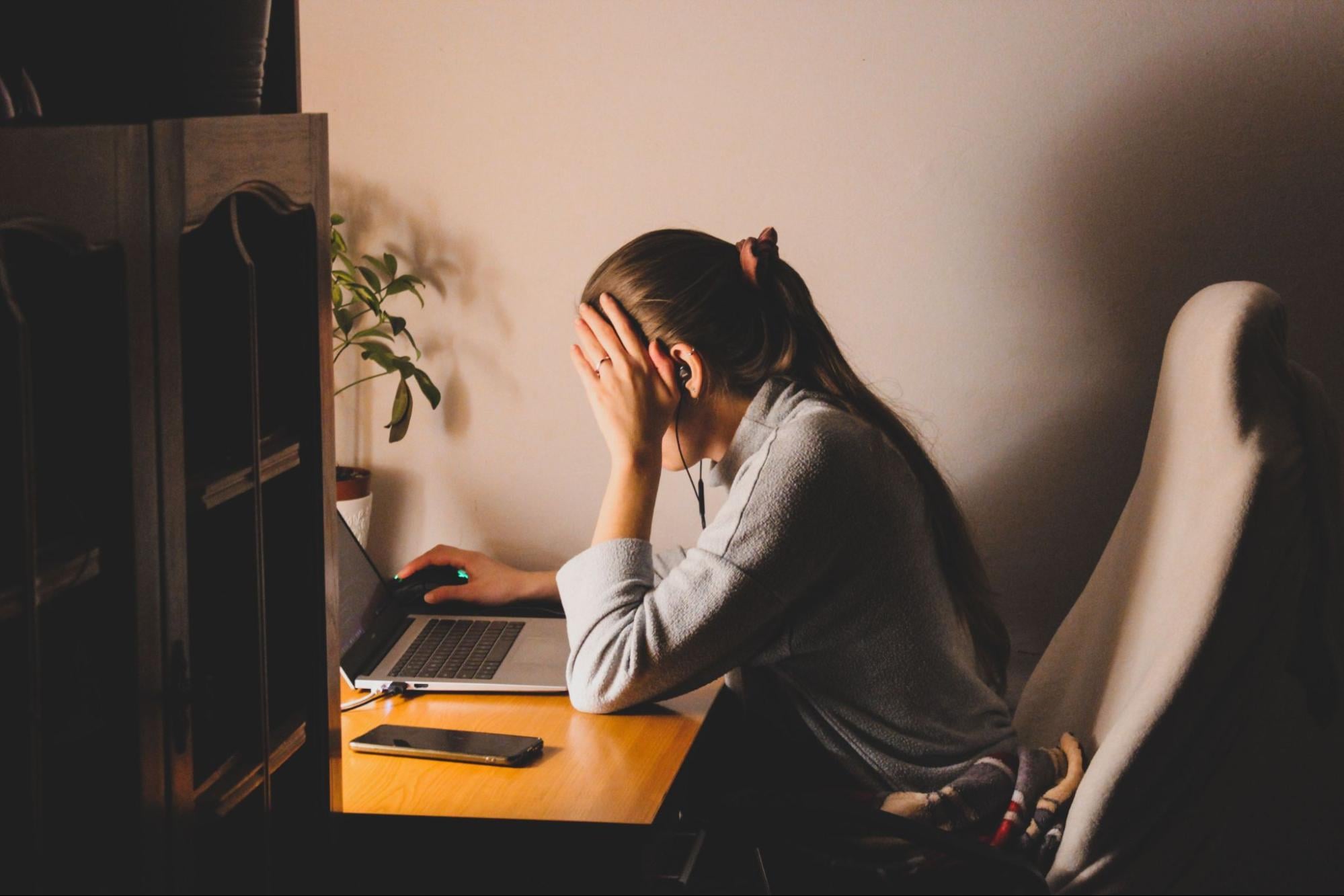
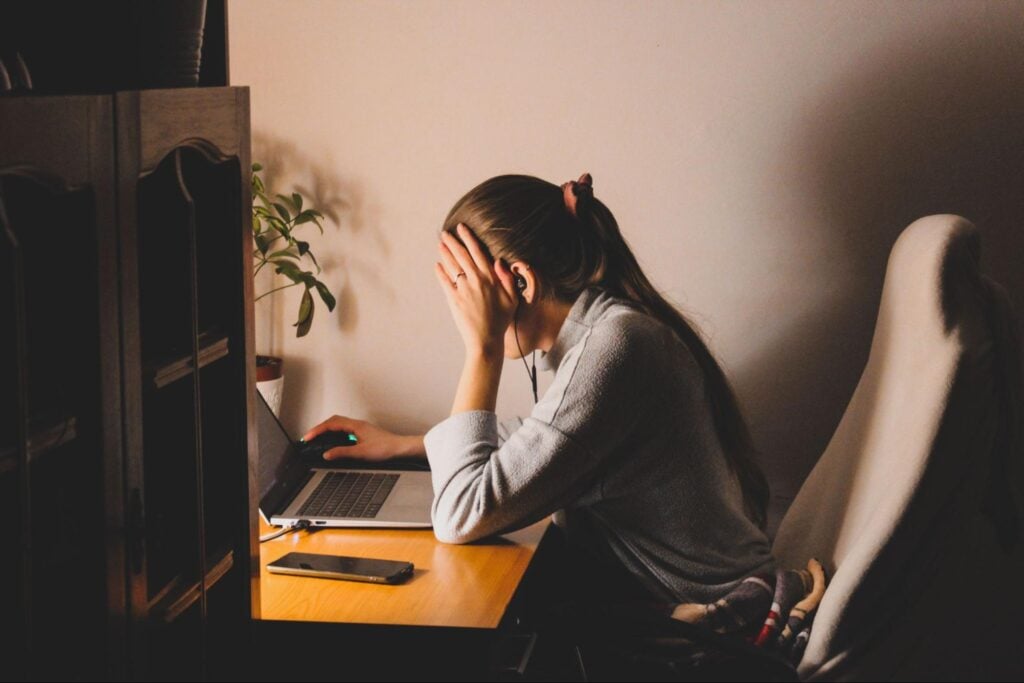
Workplace harassment doesn’t always stop when an employee logs off. Offensive messages can follow employees from offices or coworking spaces into their homes, raising a question: If harassment happens through a screen, does it still count? Courts recognize that conduct outside the office can contribute to workplace harassment.
Bureau of Labor Statistics data show 36.9% of wage and salary workers could work at home in 2024 and 2025, up from 28.8% in 2017 and 2018. California and New York employment law firms that represent workers, such as MSD Lawyers, can help employees understand whether digital conduct may violate harassment laws and what reporting or legal options are available.
What Counts as a “Workplace” When Work Happens Everywhere?
Think of a manager’s Slack messages, offensive remarks during video meetings, or harassing emails reaching a personal inbox. Add coworker texts, group chats, and work-related social media, and office walls no longer define every work interaction.
The Equal Employment Opportunity Commission (EEOC) recognized in its now-archived pandemic guidance that harassment can involve electronic communication while teleworking. What matters is how the conduct connects to the employee’s job and whether workplace harassment protections apply, even after the employee logs off.
Slack, Email and Text Messages Can Become Part of the Workplace Record
Review emails, texts, and chat histories for details that explain what happened:
- Timing and frequency: When messages were sent and whether the conduct repeated.
- People involved: Who sent, received, witnessed, or joined the exchanges.
- Responses: Whether anyone asked for the behavior to stop and what happened afterward.
- Context: Earlier and later messages that help explain the exchange.
Preserve relevant conversations alongside screenshots so the record reflects the context surrounding alleged incidents, which the EEOC considers in investigations.
What Can Digital Workplace Harassment Look Like?
Consider racial or religious slurs during meetings, jokes about someone’s disability or age, and demeaning comments about women in group chats. Offensive memes and messages intended to humiliate or intimidate also deserve attention, particularly when they interfere with work performance.
Sexual harassment concerns can arise from repeated sexual comments or unwelcome requests for sexual favors, even without physical contact. When intimidating messages follow a discrimination complaint, retaliation may be a concern. Whether the conduct violates the law requires an individual assessment.

When Does Inappropriate Online Behavior Become Illegal Harassment?
Inappropriate behavior
A rude reply, personality clash, or disagreement over an assignment is not automatically discrimination. Petty slights and annoyances generally do not meet the federal standard for unlawful harassment. Neither do isolated incidents unless exceptionally serious.
Potentially unlawful harassment
Federal protections cover race, color, religion, sex, national origin, age 40 or older, disability, and genetic information. Harassment generally becomes unlawful when enduring it is a condition of continued employment, or it is sufficiently severe or pervasive to create a hostile or abusive working environment.
Sexual harassment may also involve an adverse employment decision, such as firing someone for rejecting advances. State and local protections can differ: California prohibits protected-category harassment even in workplaces with only one employee.
What If the Harassment Happens After Work Hours?
Consider sexual messages from a supervisor at midnight, offensive jokes or images in an after-hours work group chat, or harassment moving from Slack to personal texts. Timing and platform alone do not settle the issue.
In Okonowsky v. Garland, the Ninth Circuit rejected limiting harassment analysis to the physical or digital worksite. Whether after-hours conduct falls within workplace protections depends on the relationship between those involved, what was communicated, the platform used, and its effect on work.
What About Social Media and Personal Accounts?
A personal account can still become relevant when a supervisor contacts an employee, coworkers target someone in posts, or a work-related group circulates offensive content.
Writing in Okonowsky, Judge Kim McLane Wardlaw rejected the notion that “only conduct that occurs inside the physical workplace can be actionable.” The case, which involved a coworker’s Instagram posts, illustrates how personal social media activity can affect the workplace without giving employers blanket control over employees’ accounts.
What Should Employees Do If Digital Harassment Is Happening?
Employees facing concerning digital conduct can take these steps:
- Recognize the pattern. Note recurring conduct and any connection to protected characteristics.
- Preserve communications. Keep relevant records you can legitimately access.
- Review the policy. Find the employer’s harassment and complaint procedures.
- Report through an appropriate channel. Consider human resources (HR), a manager, compliance, or another designated contact, particularly if the person involved is your usual supervisor.
- Document the response. Record when you reported concerns and what followed.
- Consider legal advice. Seek guidance if conduct is serious, continues or raises retaliation concerns.
EEOC prevention recommendations support accessible reporting channels, including reports from employees unsure whether conduct violates policy. Federal law also protects employees from retaliation for reporting suspected employment discrimination based on a reasonable belief.
Why Documentation Can Matter More in a Digital Workplace
Organize saved communications into a record someone else can follow:
- Create a timeline. Arrange incidents chronologically, noting dates, times, platforms, participants, and witnesses.
- Add meeting notes. Record what you remember from video calls, distinguishing recollections from saved messages and identifying gaps.
- Track reports and responses. Note when you raised concerns, whom you contacted, what they did, and whether the behavior continued.
Keep surrounding messages with screenshots to preserve the entire record and context considered in EEOC investigations.

Employers Have Responsibilities in a Virtual Workplace, Too
A policy should explain how harassment prevention works across offices and digital channels:
- Policies and training: Cover email, messaging, and video meetings. Teach managers to recognize electronic harassment, as the EEOC urged in its archived telework guidance.
- Reporting and response: Provide clear reporting routes, conduct prompt and impartial investigations, and take appropriate corrective action.
- Consistent enforcement: Apply policies to remote and in-office employees alike, and address retaliation for reporting discrimination.
Remote Work Doesn’t Remove Workplace Protections
Receiving a message at home rather than in an office does not determine whether the conduct is unlawful. Review reporting procedures and consider a qualified employment attorney’s assessment of your circumstances.
If work follows employees home through technology, workplace protections and responsibilities may follow the work as well.
This article provides general legal information, not legal advice. Employment laws and deadlines vary by jurisdiction and individual circumstances.