Your Right to a Real Lactation Space in California
Key Takeaways: In most cases, no: California Labor Code § 1031 generally requires employers to provide a lactation location that is not a bathroom, and even a private, locking stall generally does not qualify. The space generally must be close to your work area, shielded from view, free from intrusion, clean and safe, and equipped with a surface, seating, and electricity, with a sink and refrigerator or cooler nearby. Temporary spaces are allowed only in limited situations and still cannot be a bathroom. Employers with fewer than 50 employees can claim an undue-hardship exemption, but only narrowly. Employers generally must also provide reasonable break time to pump. If they deny breaks or adequate space, you may be owed one hour of premium pay per affected workday, and the Labor Commissioner may impose a $100 civil penalty for each day of violation. California law also generally protects you from retaliation and from discrimination and harassment based on breastfeeding. If you were told to pump in a restroom, document what happened and act promptly, since some deadlines are as short as one year.
No, in most cases your California employer cannot make you pump breast milk in a bathroom stall. Under California Labor Code § 1031 (official source: https://leginfo.legislature.ca.gov/faces/codes_displaySection.xhtml?lawCode=LAB§ionNum=1031), your employer generally must provide a lactation location that is not a bathroom. It generally must also be close to your work area, shielded from view, and free from intrusion while you pump. Depending on the facts, asking you to pump next to a toilet may violate the law and give you a right to pay and penalties.
If your employer has pushed you into a restroom, storage closet, or your car to pump, you may have options. MSD Lawyers represents employees across California in workplace rights and wage-and-hour claims, and we handle sensitive matters with discretion. Call 213-401-0823 or schedule a free consultation to talk about your situation.
How California Breastfeeding Laws Rule Out the Bathroom
California breastfeeding laws did not always ban bathrooms outright. Under the earlier statute, employers only had to make reasonable efforts to provide a location "other than a toilet stall," which left room for restrooms. Assembly Bill 1976 changed that rule. Employers now generally have to provide a location other than a bathroom. Later amendments added detailed space requirements and a narrow undue-hardship exception.
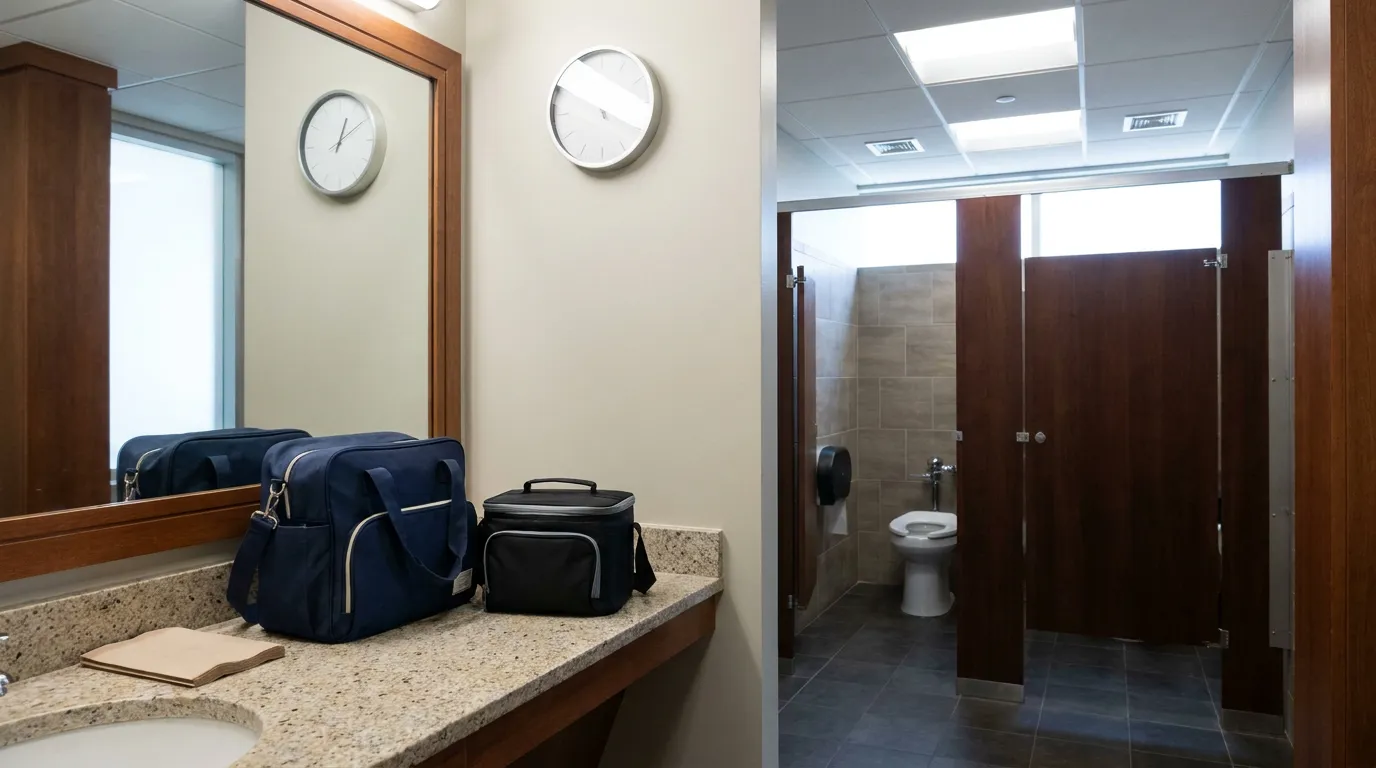
Under current law, employers generally cannot require you to pump in a restroom or toilet stall. A private, locking bathroom stall generally does not meet the requirement either. Pumping where people use the toilet raises hygiene and privacy concerns, and the Legislature decided bathrooms should not be the default answer.
What the Lactation Location Must Include
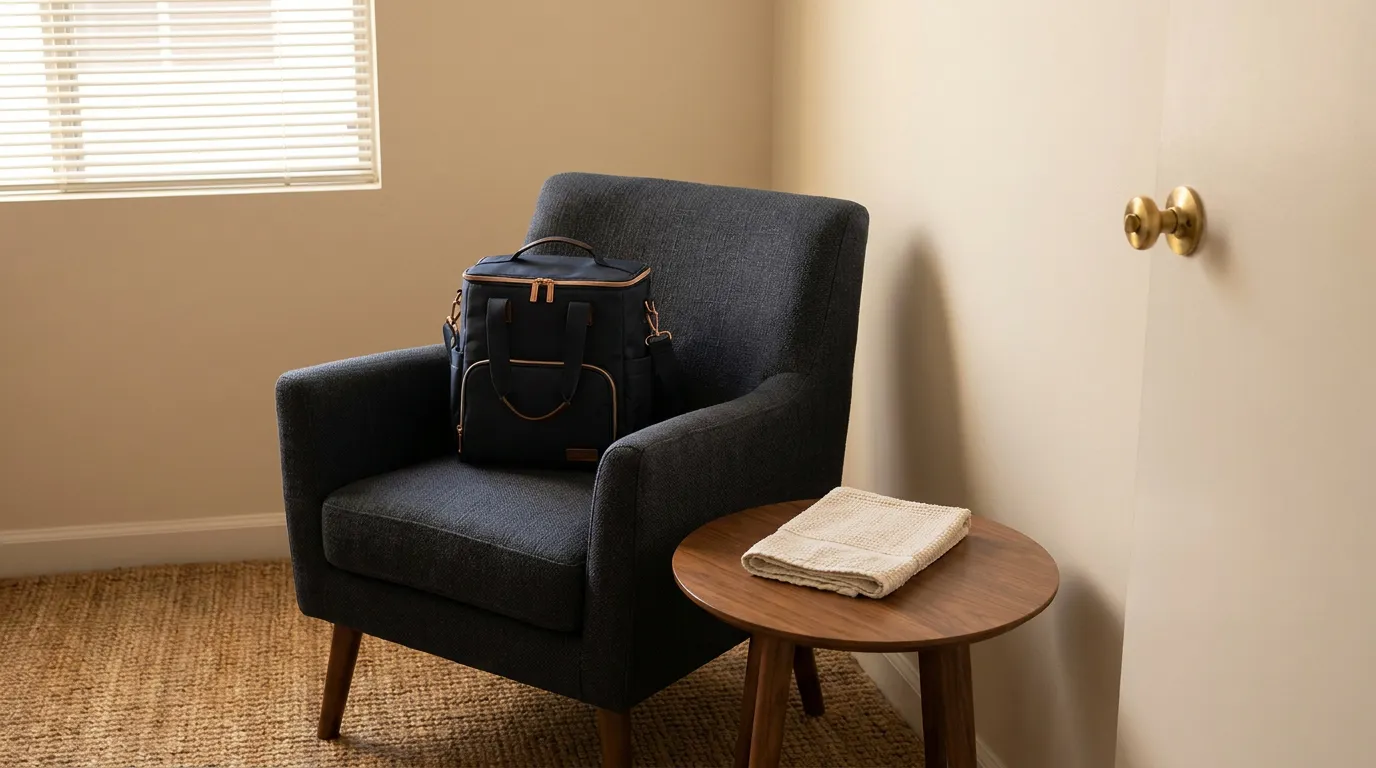
Besides not being a bathroom, the space generally has to meet specific physical requirements. California Labor Code § 1031(c) (official source: https://leginfo.legislature.ca.gov/faces/codes_displaySection.xhtml?lawCode=LAB§ionNum=1031) requires the space to be safe, clean, and free of hazardous materials. It must also have a surface for a breast pump and personal items, a place to sit, and access to electricity or to extension cords or charging stations.
Your employer generally must also give you access to a sink with running water and a refrigerator for storing milk, close to your workspace. Under California Labor Code § 1031(d) (official source: https://leginfo.legislature.ca.gov/faces/codes_displaySection.xhtml?lawCode=LAB§ionNum=1031), if a refrigerator cannot be provided, the employer may provide another cooling device, such as a cooler. The California Breastfeeding Coalition publishes educational materials explaining these protections.
| Requirement | Bathroom Stall | Compliant Lactation Space |
|---|---|---|
| Not a bathroom | Fails | Required |
| Shielded from view, free from intrusion | Often fails | Required |
| Surface for pump and a place to sit | Usually fails | Required |
| Access to electricity | Usually fails | Required |
| Nearby sink and refrigerator or cooler | Not suitable | Required |
Temporary and Shared Spaces Still Have Limits
Employers sometimes say they do not have enough space, but the law still generally sets a floor. Under California Labor Code § 1031 (official source: https://leginfo.legislature.ca.gov/faces/codes_displaySection.xhtml?lawCode=LAB§ionNum=1031), an employer that cannot provide a permanent location because of operational, financial, or space limits may provide a temporary one. It cannot be a bathroom. It must be private, free from intrusion, used only for lactation during that time, and otherwise meet the law’s requirements, including being close to your work area.
Employers with fewer than 50 employees may be exempt from certain requirements, but only if they can show undue hardship. That means a requirement would cause significant difficulty or expense considering the business’s size, resources, nature, or structure. The employer has to prove it. Even then, it must make reasonable efforts to provide a room or location other than a toilet stall, close to your work area, for you to express milk in private.
💡 Pro Tip: Ask your employer for its written lactation policy. California Labor Code § 1034 (official source: https://leginfo.legislature.ca.gov/faces/codes_displaySection.xhtml?lawCode=LAB§ionNum=1034) generally requires employers to have one and include it in the employee handbook or other policy materials. If the policy does not match what is happening at work, that gap may be useful evidence.
Your Pumping at Work Rights Go Beyond the Room
Your pumping at work rights also generally cover break time. California Labor Code § 1030 (official source: https://leginfo.legislature.ca.gov/faces/codes_displaySection.xhtml?lawCode=LAB§ionNum=1030) requires employers to give you reasonable break time to express milk each time you need it. Where possible, this break should run at the same time as your paid rest breaks. Lactation time that does not may be unpaid, though different pay rules may apply if you are not fully relieved of duty or are an exempt employee.
Lactation rights connect directly to California’s meal and rest break laws. If your employer denies you reasonable break time or an adequate space, California Labor Code § 1033 (official source: https://leginfo.legislature.ca.gov/faces/codes_displaySection.xhtml?lawCode=LAB§ionNum=1033) treats that as a failure to provide a rest period under California Labor Code § 226.7 (official source: https://leginfo.legislature.ca.gov/faces/codes_displaySection.xhtml?lawCode=LAB§ionNum=226.7). Generally, you may be owed one additional hour of pay at your regular rate for each workday the violation happens. To learn more, read our guide to California rest break laws.
Protection From Retaliation and Discrimination
California law also generally protects you from being punished for asserting these rights. California Labor Code § 98.6 (official source: https://leginfo.legislature.ca.gov/faces/codes_displaySection.xhtml?lawCode=LAB§ionNum=98.6) generally prohibits retaliation against employees who exercise Labor Code rights. Under the Fair Employment and Housing Act, California Government Code § 12926 (official source: https://leginfo.legislature.ca.gov/faces/codes_displaySection.xhtml?lawCode=GOV§ionNum=12926) defines "sex" to include breastfeeding and related medical conditions. Discrimination and harassment based on lactation may therefore support a separate claim under Government Code § 12940 (official source: https://leginfo.legislature.ca.gov/faces/codes_displaySection.xhtml?lawCode=GOV§ionNum=12940).
Comments about your body, mocking remarks about pumping, or deliberately walking in on you can be serious. If the conduct is severe or pervasive enough, it may amount to sex-based harassment.
California’s Lactation Standard Is Expanding Beyond Work
The employee lactation-room rule has become the model for other California laws. California Government Code § 69894 (official source: https://leginfo.legislature.ca.gov/faces/codes_displaySection.xhtml?lawCode=GOV§ionNum=69894) requires superior courts to give the public access to a lactation room in any courthouse that already provides one to court employees. Even a scaled-down or portable courthouse lactation room "shall not be a bathroom." That language is in the Government Code court lactation provisions.
People taking part in a court proceeding can also request reasonable break time to pump. Government Code § 69894.1 (official source: https://leginfo.legislature.ca.gov/faces/codes_displaySection.xhtml?lawCode=GOV§ionNum=69894.1) refers to Labor Code Sections 1030 and 1031 as the accommodation standards. Students may have similar rights: California college lactation rules require many campuses to provide lactation accommodations.
How Federal Law Fits With California’s Rules
Federal law also protects nursing workers, but California’s rules are generally more protective. The federal PUMP for Nursing Mothers Act amended the Fair Labor Standards Act to require reasonable break time and a space other than a bathroom, shielded from view and free from intrusion, for most employees. You can read a summary of the FLSA pumping protections. Federal law does not override more protective state laws, so California employees generally get the benefit of whichever rule is more protective.
Human resources publications reach the same conclusion. SHRM’s overview of lactation accommodation in California and its HR Q&A on whether employers must accommodate lactating employees both describe California’s non-bathroom requirement.
What to Do If You Were Told to Pump in a Restroom
Start by documenting what happened while the details are still fresh. Helpful documentation may include:
- Dates, times, and locations where you were told to pump, or where you had to pump
- Texts, emails, or chat messages about your requests and your employer’s responses
- Photos of the space you were given, if it is lawful and safe to take them
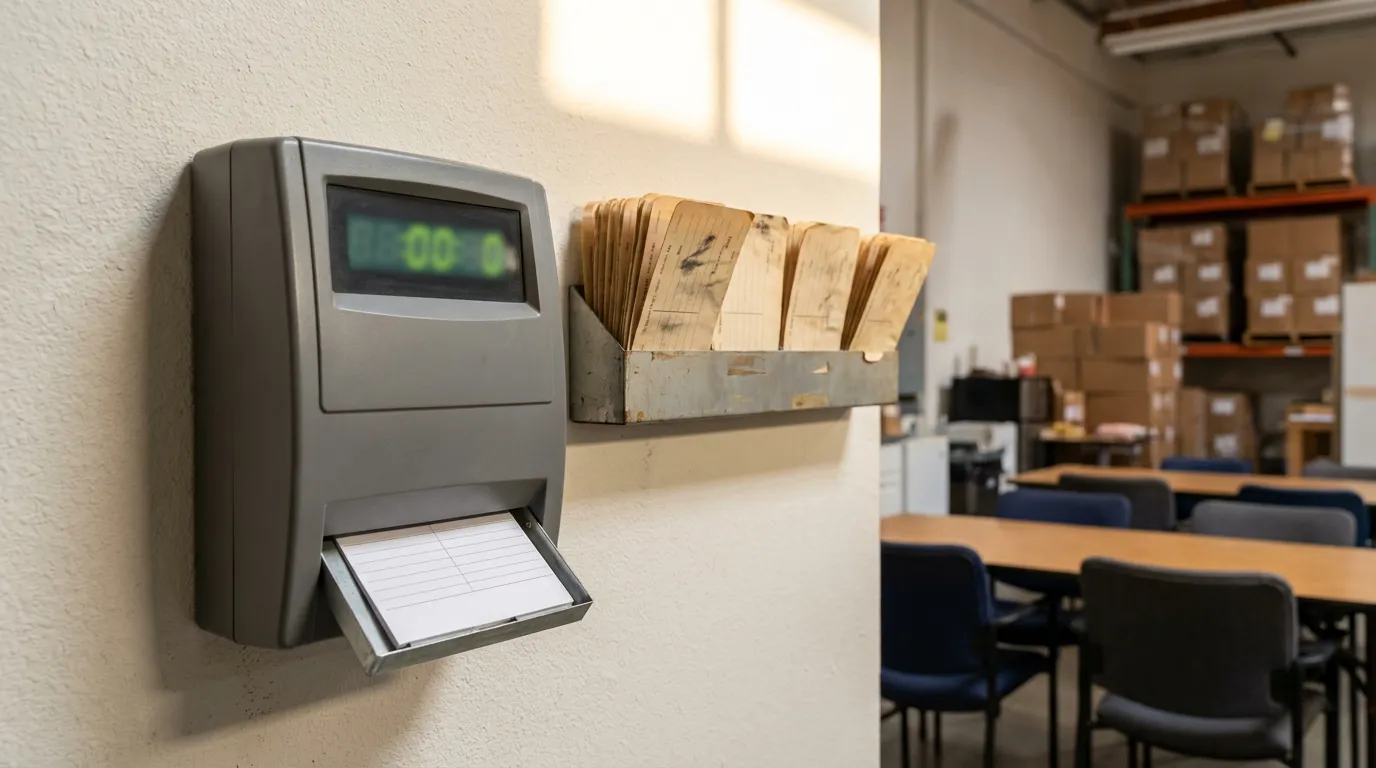
- Timecards and pay stubs showing shortened or missed breaks
- Names of coworkers who saw the conditions or heard related comments
You may also file a complaint with the Labor Commissioner, an administrative process separate from a civil lawsuit. Under California Labor Code § 1033(c) (official source: https://leginfo.legislature.ca.gov/faces/codes_displaySection.xhtml?lawCode=LAB§ionNum=1033), the Labor Commissioner may impose a civil penalty of $100 for each day an employee is denied reasonable break time or adequate space. Which path makes sense, or whether to pursue both, depends on your facts.
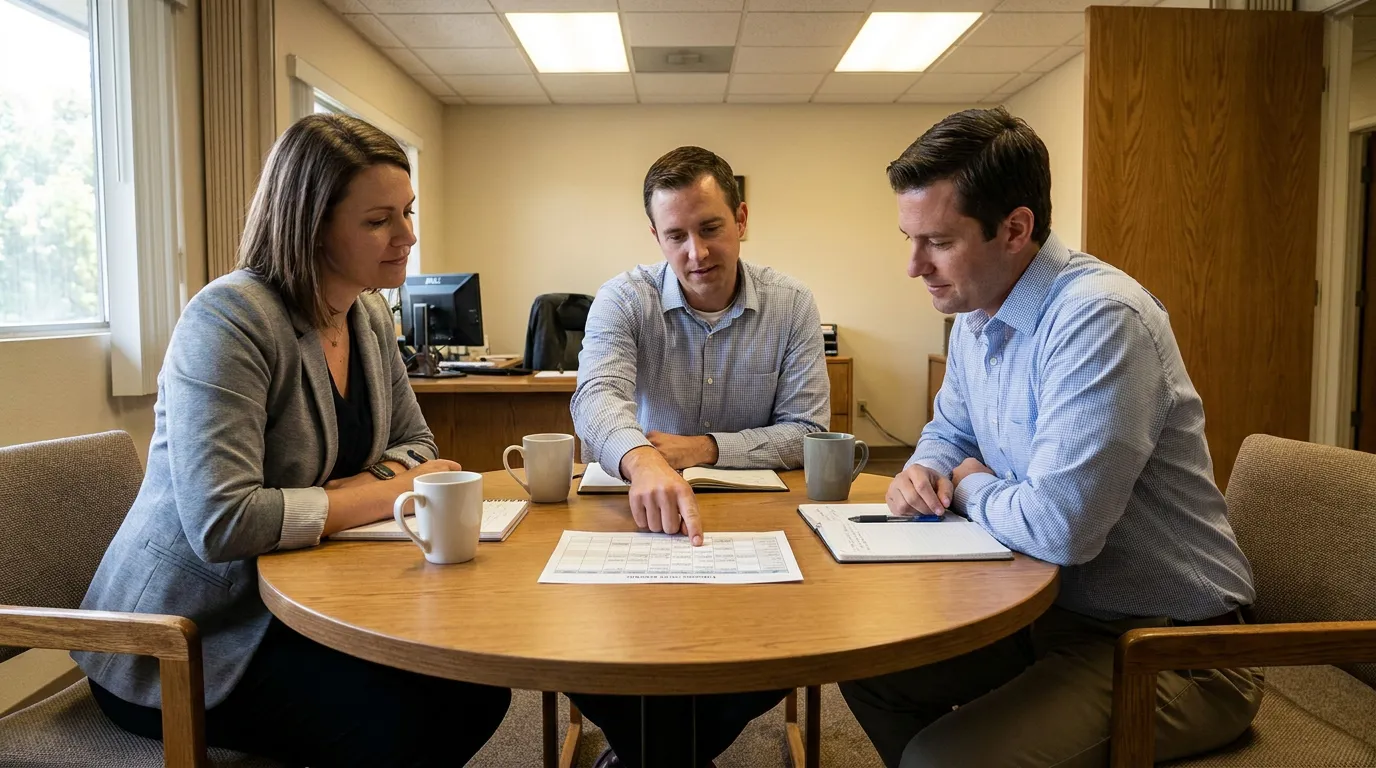
💡 Pro Tip: If you are paid by the hour, compare your timecards with your actual pumping schedule. When an employer’s records show no breaks, or perfectly uniform breaks, they may not reflect reality, and that may support a claim for premium pay.
Frequently Asked Questions
1. Is a private, locking bathroom stall acceptable for pumping in California?
Generally, no. Labor Code 1031 requires a location other than a bathroom, and privacy alone does not fix that. The only exception is a narrow undue-hardship exemption for employers with fewer than 50 employees, and even then the employer must make reasonable efforts to provide something other than a toilet stall.
2. Do I get paid for lactation breaks?
Lactation breaks should run at the same time as your paid rest breaks whenever possible. Additional time generally may be unpaid, though different rules may apply if you are not relieved of duty or are an exempt employee. If your employer denies reasonable breaks or adequate space, you may be owed an hour of premium pay for each affected workday.
3. Can my employer fire me for complaining about the lactation room bathroom issue?
Retaliation for asserting your lactation rights is generally prohibited under the Labor Code and FEHA. If you were disciplined, had your hours cut, or were fired after making a request, you may have additional claims.
4. How long do I have to take action?
Deadlines vary. Many Labor Code wage claims, including premium pay claims, carry a three-year limitations period. FEHA complaints with the Civil Rights Department generally must be filed within three years. Retaliation complaints to the Labor Commissioner generally must be filed within one year. Exceptions are limited, so it is best to act promptly.
5. Does this apply to part-time workers?
In many cases, yes. Lactation protections generally apply whether you work full time or part time. If you were labeled an independent contractor, a misclassification analysis may affect your rights.
Holding Employers Accountable Under California Breastfeeding Laws
California breastfeeding laws generally prohibit employers from sending you to a bathroom stall to pump. You are generally entitled to a private, clean space with seating, electricity, and nearby access to a sink and refrigeration, along with reasonable break time. When employers ignore these duties, you may be able to recover premium pay, the Labor Commissioner may impose penalties, and you may have claims for discrimination, harassment, or retaliation. Your outcome will depend on the facts, documentation, and timing of your case.
You should not have to choose between feeding your child and keeping your job. The team at MSD Lawyers has extensive experience representing employees statewide, and we can evaluate your options as your California breastfeeding laws lawyer. Call 213-401-0823 or contact us now for a confidential consultation.
Disclaimer: This content is for informational purposes only and is not legal advice. Every case is unique, and results may vary. Consult an attorney about your specific circumstances.