When Alcohol Withdrawal Turns Fatal in a Treatment Setting
Key Takeaways: Delirium tremens kills mainly through autonomic instability: heart rate, blood pressure, and body temperature spike, and seizures, arrhythmias, cardiovascular collapse, or respiratory failure can follow. DT usually begins 48 to 96 hours after the last drink. Untreated DT has historically been fatal in up to 15% to 20% of cases, but proper monitoring and benzodiazepine treatment cut that to roughly 1% to 5%, which suggests many detox deaths are preventable. A detox facility that fails to monitor vital signs, medicate properly, or transfer a patient to a hospital in time may be liable for wrongful death under California Code of Civil Procedure § 377.60 (official source: leginfo.legislature.ca.gov). Only certain people can bring that claim, such as spouses, registered domestic partners, children, those who would inherit by intestate succession, and some dependents. When professional negligence causes a death, noneconomic damages are capped under Civil Code § 3333.2 (official source: leginfo.legislature.ca.gov), and separate caps can stack in some cases. Economic losses like funeral costs and lost support are not capped. Families should act quickly because strict deadlines may apply, including the one-year/three-year statute of limitations, a 90-day notice of intent, and a six-month claim deadline for public entities.
Delirium tremens (DT) can kill when the body’s stress response runs out of control, and a detox facility is supposed to catch that before it happens. DT is the most severe form of alcohol withdrawal, and it can usually be recognized and treated. When a facility fails to monitor, medicate, or transfer a patient in time, a delirium tremens death in detox may support a wrongful death claim under California law. Viability depends on the medical records, the facility’s conduct, and who is legally allowed to sue.
If your family is facing this kind of loss, you do not have to sort through the medical and legal questions on your own. MSD Lawyers represents families seeking accountability after a death in a treatment facility. Call 213-401-0823 or schedule a confidential consultation to talk about what happened.
How Delirium Tremens Causes Death
Delirium tremens usually causes death through autonomic instability, meaning the nervous system stops regulating the body’s basic functions. Clinical sources such as the StatPearls delirium tremens review explain that DT symptoms generally begin 48 to 96 hours after the last drink, often just when patients are admitted to detox.
The Physiological Breakdown
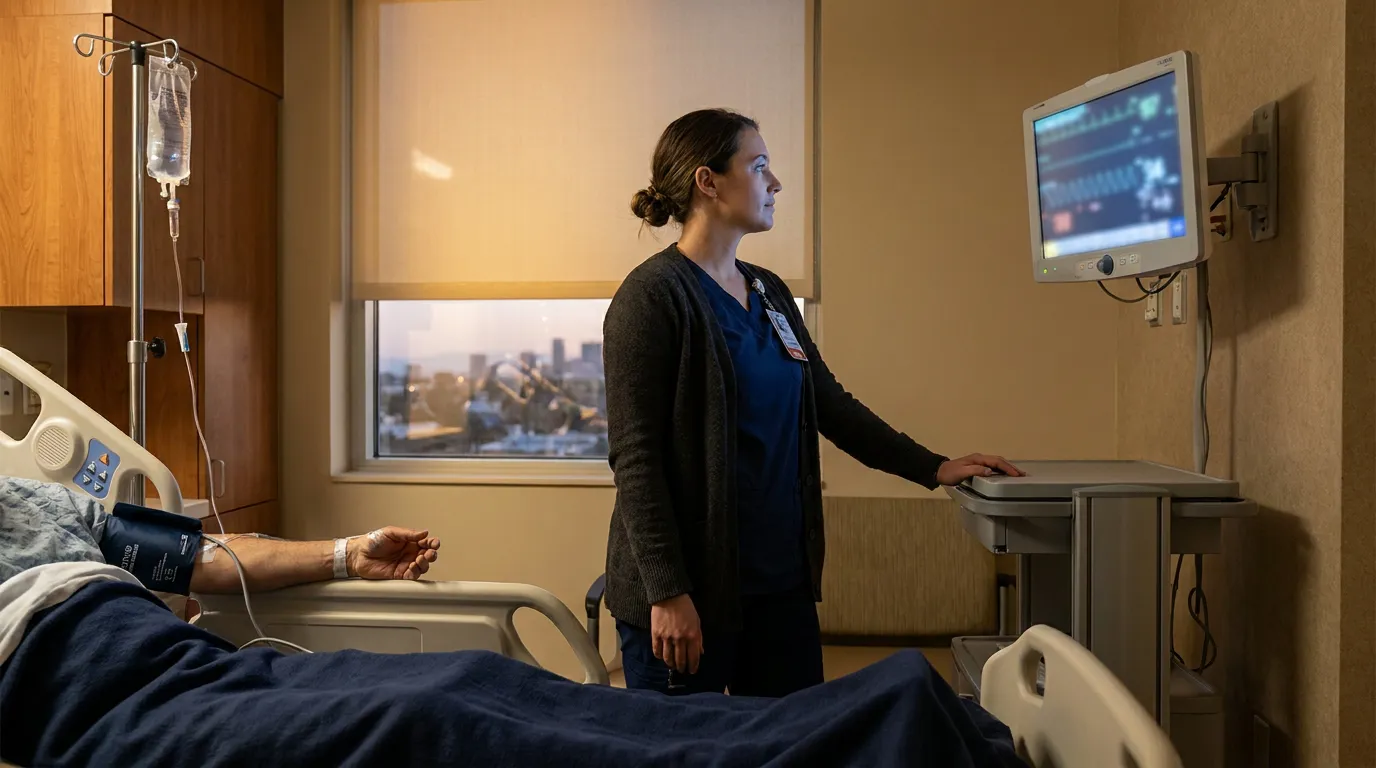
The hallmark features of DT are autonomic hyperactivity, confusion, and hallucinations. In severe cases, heart rate and blood pressure can swing to dangerous extremes while body temperature climbs. Complications that can lead to a DT fatality include:
-
Severe hypertension and tachycardia (a dangerously fast heart rate)
-
Hyperthermia (an abnormally high body temperature)
-
Withdrawal seizures
-
Fatal cardiac arrhythmias and cardiovascular collapse
-
Aspiration pneumonia and respiratory failure
The confusion that comes with DT can also hide how sick a patient really is. Staff not trained to tell acute delirium apart from ordinary agitation may treat a medical emergency as a behavior problem. That mistake may be the difference between a survivable crisis and an alcohol withdrawal death.
Why Treatment Changes the Outcome
Untreated DT has historically carried a mortality rate as high as 15% to 20%, and modern medical management lowers that to roughly 1% to 5%. The Medscape clinical overview of DT identifies benzodiazepines as first-line therapy, along with supportive care and close monitoring. That gap suggests many DT deaths may be preventable when the standard of care is followed, though each case still requires proof that proper care would likely have prevented the death.
When a Delirium Tremens Death in Detox Becomes Negligence
A delirium tremens death in detox may support a claim when the facility or its providers fell below the accepted standard of care and that failure caused the death. California Code of Civil Procedure § 377.60 (official source: leginfo.legislature.ca.gov) allows a lawsuit for a death “caused by the wrongful act or neglect of another.” Families must still prove duty, breach, causation, and damages, which in medical cases usually requires expert testimony.
Common Failures in Detox Centers
Detox center negligence in DT cases usually comes down to monitoring, medication, and escalation. Recurring problems include skipped vital-sign checks, missed or falsified withdrawal assessments, benzodiazepine doses that were too low or late, and delays in calling 911 or transferring the patient to a hospital. The Department of Health Care Services licenses residential alcohol and drug recovery facilities under Health and Safety Code § 11834.01 (official source: leginfo.legislature.ca.gov). Facilities providing incidental medical services, such as detox, need separate approval under Health and Safety Code § 11834.026 (official source: leginfo.legislature.ca.gov).
A licensing violation does not automatically prove negligence, but it can be relevant evidence. It may support a presumption of negligence under California’s negligence per se doctrine (Evidence Code § 669). Courts may also consider regulatory history, staffing levels, and internal policies. For more, see our guide on proving detox clinic negligence.
Evidence That Often Matters Most
Cause of Death Listed as “Chronic Alcohol Use Disorder,” “Sequelae of Chronic Ethanol Use,” or “Complications of Chronic Ethanol Use”? DT Can Still Be the Cause
Coroners and medical examiners often do not list delirium tremens as the cause of death. DT cannot be seen on an external examination, or even during a full autopsy, so the report will typically say “Chronic Alcohol Use Disorder,” “Sequelae of Chronic Ethanol Use,” “Complications of Chronic Ethanol Use,” or something similar. That wording does not rule out DT. Timing is one of the strongest clues: most DT deaths happen 2 to 7 days after the person stopped drinking. If your loved one entered detox and died within that window, an independent forensic pathologist may conclude that untreated DT was the actual cause.
Preserving Evidence for a Second Opinion
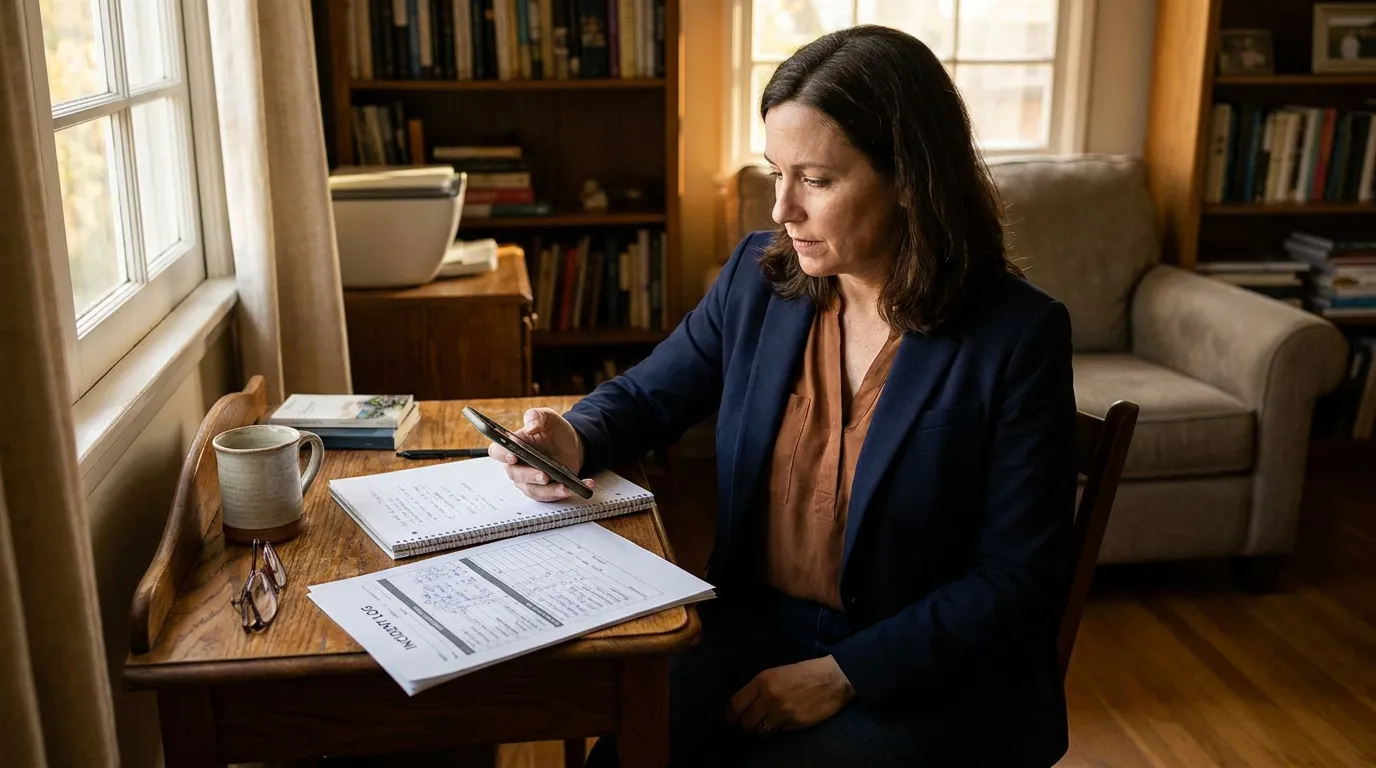
A forensic pathologist’s second opinion depends on evidence being saved, so act quickly. Send a written request to the medical examiner’s or coroner’s office to preserve all toxicology and laboratory results; blood, tissue, and other biological specimens, especially vitreous fluid (the fluid inside the eye), which can carry key indicators of DT; photographs, videos, and imaging studies; and internal communications, notes, and investigative records. Then review the facility’s complete medical file. Pay close attention to any first-hand observations of your loved one in the days and hours before death, such as tremors, sweating, confusion, hallucinations, or a racing heart. Those details can support a DT finding and show whether staff saw the warning signs and failed to act.
Who Can Bring a Wrongful Death Claim in California
California limits wrongful death standing to specific relatives, so not every grieving family member can file. Under Code of Civil Procedure § 377.60(a) (official source: leginfo.legislature.ca.gov), the first eligible group is the surviving spouse, domestic partner, children, and issue of deceased children. If none survive, those who would inherit through intestate succession may sue.
Certain other people can sue only if they were dependent on the decedent. Under Code of Civil Procedure § 377.60(b) (official source: leginfo.legislature.ca.gov), this group includes a putative spouse, the putative spouse’s children, stepchildren, and parents. These rules often matter in detox cases, because the decedent is frequently a young adult with no spouse or children.
Two more rules can affect standing. A minor may sue under Code of Civil Procedure § 377.60(c) (official source: leginfo.legislature.ca.gov) if the minor lived in the decedent’s household for the 180 days before the death and relied on the decedent for at least half of the minor’s support. A domestic partner qualifies only if the partnership was registered under Family Code § 297(b) (official source: leginfo.legislature.ca.gov) at the time of death, or otherwise meets Code of Civil Procedure § 377.60(f)(1) (official source: leginfo.legislature.ca.gov). Wrongful death is a single joint action, so all eligible heirs generally must be joined in one lawsuit.
How California’s Damage Caps Apply to Detox Death Cases
When professional negligence causes a detox death, California limits noneconomic damages, and in some cases more than one cap can apply. Civil Code § 3333.2 (official source: leginfo.legislature.ca.gov), as amended by AB 35, set wrongful death caps of $500,000 for cases filed in 2023. The caps rise by $50,000 each year until they reach $1,000,000, then adjust 2% annually for inflation. Each category below has its own cap, and no single category can be applied more than once.
|
Cap Category |
Who It Covers |
Statute |
|---|---|---|
|
Health care providers |
All providers combined, such as a physician who missed escalating withdrawal signs |
Civ. Code § 3333.2(c)(1) (official source: leginfo.legislature.ca.gov) |
|
Health care institutions |
All institutions combined, such as the licensed clinic where the death occurred |
Civ. Code § 3333.2(c)(2) (official source: leginfo.legislature.ca.gov) |
|
Unaffiliated providers or institutions |
Separate, independent negligence at, or during transport to, an unaffiliated institution, such as a receiving hospital after a failed transfer |
Civ. Code § 3333.2(c)(3) (official source: leginfo.legislature.ca.gov) |
Economic losses are not subject to these caps. Funeral and burial costs and the financial support the decedent would have provided may be recoverable in full, if proven. The caps also do not apply to claims outside “professional negligence,” such as some claims of custodial neglect by non-medical staff or intentional misconduct. Whether a claim falls inside or outside the caps is often contested.
💡 Pro Tip: Identify every provider and institution that touched your loved one’s care, including the receiving hospital and any transport service. Each one may fall under a different cap category.
Deadlines and Procedural Hurdles
Medical negligence claims in California generally carry short and strict deadlines. Under Code of Civil Procedure § 340.5 (official source: leginfo.legislature.ca.gov), a lawsuit must generally be filed within one year after the injury (in a death case, the death) is discovered or reasonably should have been discovered, or within three years after the injury, whichever comes first. Code of Civil Procedure § 364 (official source: leginfo.legislature.ca.gov) requires at least 90 days’ notice of intent before suing a health care provider for professional negligence. If that notice is served within 90 days of the limitations deadline, the deadline is extended by 90 days. Courts read tolling and discovery exceptions narrowly.
If a public entity ran or staffed the facility, a separate administrative deadline applies. Under the Government Claims Act (official source: leginfo.legislature.ca.gov), a wrongful death claim generally must be presented to the entity within six months of the death. Punitive damages are generally unavailable against public entities. Against private providers, a plaintiff needs court permission under Code of Civil Procedure § 425.13 (official source: leginfo.legislature.ca.gov) before seeking punitive damages, and those are usually available only through a separate survival claim brought by the estate.
Frequently Asked Questions
1. How quickly can delirium tremens become fatal?
DT generally develops 48 to 96 hours after the last drink, and it can progress quickly once it starts. Without prompt treatment, autonomic collapse, seizures, or arrhythmias can follow.
2. Can a detox center be liable if my loved one hid how much they drank?
Possibly, depending on the facts. Facilities are generally expected to assess withdrawal risk on their own and respond to the symptoms in front of them. However, California’s comparative fault rules may reduce recovery if the patient’s own conduct contributed to the outcome.
3. Can parents sue if their adult child died in detox?
Parents may sue if the child left no spouse, domestic partner, or children and the parents would inherit through intestate succession, or if they were dependent on the child. Standing depends on family structure under Code of Civil Procedure § 377.60 (official source: leginfo.legislature.ca.gov).
4. What if the coroner’s report says “Chronic Alcohol Use Disorder,” “Sequelae of Chronic Ethanol Use,” or “Complications of Chronic Ethanol Use”?
That wording does not rule out DT. Coroners and medical examiners often do not list DT as a cause of death because it cannot be seen on an exam or autopsy. A death 2 to 7 days after the last drink, preserved specimens such as vitreous fluid, and a review by an independent forensic pathologist can show that untreated DT was the real cause.
5. What compensation might a family recover?
Recoverable damages may include funeral and burial costs, lost financial support and household services, and the loss of love, companionship, and guidance. In professional negligence cases, noneconomic damages are subject to the statutory caps described above.
Holding a Facility Accountable for a Preventable Loss
DT is dangerous, but it is also well understood and, in many cases, treatable. When a facility misses the warning signs, under-medicates, or delays a hospital transfer, a family may have grounds for a wrongful death claim in California. Success generally depends on proving medical causation, confirming standing, applying the correct damage caps, and meeting short filing deadlines.
If you believe negligent care contributed to your loved one’s death, talking with a detox death lawyer can help you understand your options. MSD Lawyers handles these sensitive cases with discretion and the resources to litigate against facilities and their insurers. Call 213-401-0823 or contact us now for a confidential consultation.
Disclaimer: This content is for informational purposes only and is not legal advice. Every case is unique, and results may vary. Consult an attorney about your specific circumstances.